Explore yoga poses, traditional asanas, beginner-friendly postures, balance exercises, flexibility practices, and relaxation techniques that support physical fitness, mindfulness, and overall well-being.
Yoga poses, also known as asanas, are physical postures practiced in yoga to improve flexibility, balance, strength, posture, and overall well-being. Different yoga poses serve different purposes, ranging from relaxation and stretching to strength building and mindfulness.
Many yoga poses gently stretch muscles and joints, helping improve mobility, flexibility, and range of motion throughout the body.
Yoga postures engage different muscle groups and help develop strength, stability, coordination, and better body awareness.
Yoga poses are often combined with breathing and mindfulness techniques, creating a holistic practice that supports both physical and mental well-being.
Yoga poses, also known as asanas, form the foundation of yoga practice. They are designed to improve flexibility, strength, balance, posture, and body awareness while supporting overall physical and mental well-being.
Different yoga poses target different areas of the body and serve various purposes. Some poses help improve flexibility and mobility, while others focus on building strength, enhancing balance, or encouraging relaxation.
Regular practice of yoga poses can help individuals become more aware of their movement patterns, posture, and breathing. This increased awareness often contributes to better coordination, improved body alignment, and greater confidence in daily activities.
Yoga poses can be adapted to suit different ages, fitness levels, and experience levels. Beginners often start with simple postures before gradually progressing to more challenging asanas as their strength and flexibility improve.
Many yoga poses are practiced together with controlled breathing techniques. Combining movement and breath encourages mindfulness, concentration, and a deeper connection between the body and mind.
From standing poses and seated poses to balance postures and relaxation poses, each asana offers unique benefits. A balanced yoga practice often includes a variety of poses that work together to support overall wellness.
Whether practiced for fitness, flexibility, stress management, or mindfulness, yoga poses remain one of the most important aspects of yoga and continue to benefit millions of people around the world.
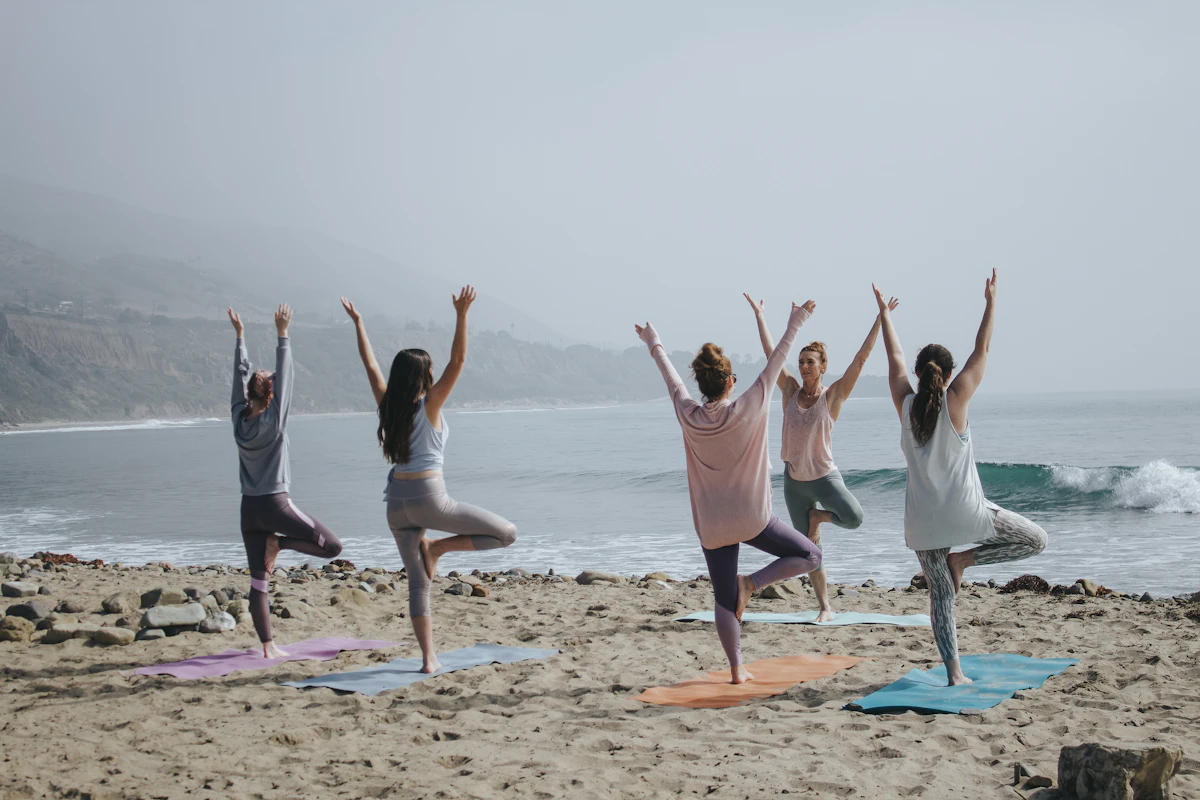
Yoga poses offer numerous physical, mental, and lifestyle benefits. Regular practice of yoga asanas can help improve flexibility, strength, balance, posture, mindfulness, and overall well-being.
Yoga poses can be grouped into different categories based on their purpose and benefits. Understanding these categories can help practitioners build a balanced yoga routine that supports flexibility, strength, balance, relaxation, and overall wellness.
Standing yoga poses help improve balance, posture, stability, strength, and body awareness while building a strong foundation for yoga practice.
Seated yoga poses encourage flexibility, relaxation, mindfulness, and proper posture while helping practitioners focus on breathing and awareness.
Balance poses develop coordination, concentration, stability, and confidence by challenging both the body and mind.
These yoga postures engage major muscle groups and help improve strength, endurance, and overall physical fitness.
Stretch-focused yoga poses help improve flexibility, mobility, and range of motion while reducing muscle stiffness and tension.
Relaxation poses encourage rest, recovery, mindfulness, and stress relief, making them an important part of any yoga practice.
Yoga includes a wide variety of poses designed to improve flexibility, strength, balance, posture, and overall well-being. Some yoga poses are suitable for beginners, while others are practiced by intermediate and advanced practitioners.
Each yoga pose offers unique benefits and focuses on different parts of the body. A balanced yoga practice often combines standing poses, seated poses, balance postures, stretching exercises, and relaxation techniques to support overall physical and mental wellness.
Regular practice of yoga poses can help improve mobility, body awareness, coordination, strength, and mindfulness. The key is to practice consistently and choose poses appropriate for your fitness level and goals.
These yoga poses are commonly practiced in different yoga styles and can be modified according to individual needs and experience levels. Beginners may start with simpler variations before progressing to more challenging postures.
Whether your goal is flexibility, strength, balance, relaxation, or mindfulness, incorporating a variety of yoga poses into your routine can help create a well-rounded and enjoyable yoga practice.
Yoga poses can be grouped into different categories based on their purpose and benefits. Practicing a variety of poses helps create a balanced yoga routine that supports flexibility, strength, stability, relaxation, and overall wellness.
Standing poses help improve balance, posture, stability, leg strength, and body awareness. Examples include Mountain Pose, Warrior Pose, and Triangle Pose.
Seated poses encourage flexibility, relaxation, proper posture, and mindfulness. They are commonly used during stretching and meditation practices.
Balance poses challenge coordination, concentration, and stability while strengthening the body and improving focus.
These poses engage major muscle groups and help improve endurance, stability, and overall physical fitness.
Flexibility-focused poses stretch muscles and joints, helping improve mobility, range of motion, and overall movement quality.
Relaxation poses help calm the body and mind, encourage recovery, and support stress management and mindfulness.
Practicing yoga poses safely is important for preventing injuries and ensuring a comfortable and enjoyable yoga experience. Whether you are a beginner or an experienced practitioner, following proper techniques and listening to your body can help you get the most out of your practice.
Yoga is not about forcing the body into difficult positions. Each pose should be practiced with awareness, patience, and proper alignment. Moving gradually and respecting your body's limits can help create a safe and sustainable yoga routine.
Before beginning any yoga practice, it is helpful to warm up the body with gentle movements and stretches. This prepares the muscles and joints for movement and may help reduce the risk of discomfort.
Yoga should feel supportive and beneficial rather than painful. By practicing mindfully and respecting your body's needs, you can enjoy the many benefits of yoga poses while building a safe and sustainable practice.
Different yoga poses offer different benefits. Whether your goal is flexibility, strength, balance, relaxation, or overall wellness, there are yoga postures designed to support your needs.
Stretching-focused poses such as Seated Forward Bend and Downward Facing Dog help improve mobility, flexibility, and range of motion.
Poses like Warrior Pose, Plank Pose, and Chair Pose help build muscular strength, stability, and endurance.
Balance-focused postures such as Tree Pose and Eagle Pose improve coordination, concentration, and body awareness.
Relaxing poses including Child's Pose and Corpse Pose help calm the body, reduce tension, and encourage recovery.
Simple and accessible poses provide a strong foundation for new practitioners while improving confidence and body awareness.
A balanced combination of yoga postures can support physical fitness, mindfulness, flexibility, strength, and long-term well-being.
Many people have misconceptions about yoga poses and asanas. Understanding the facts can help practitioners approach yoga with greater confidence and realistic expectations.
✅ Reality: Yoga poses help improve strength, balance, posture, mobility, mindfulness, and overall well-being in addition to flexibility.
✅ Reality: Simple poses can be just as beneficial as advanced postures when practiced correctly and consistently.
✅ Reality: Yoga focuses on personal progress and awareness rather than perfection. Poses can be modified according to individual needs.
✅ Reality: Flexibility develops through practice. People of different fitness levels can benefit from yoga poses.
✅ Reality: Every yoga pose offers unique benefits. The most effective pose is often the one that matches your goals and abilities.
✅ Reality: Yoga poses are often practiced with breathing and mindfulness techniques, creating a holistic mind-body practice.
Find answers to common questions about yoga poses, yoga asanas, flexibility, balance, posture, and yoga practice.
Yoga poses, also known as asanas, are physical postures practiced to improve flexibility, strength, balance, posture, mindfulness, and overall well-being.
Yoga poses help improve physical fitness, body awareness, flexibility, mobility, balance, concentration, and overall wellness.
Yes. Many yoga poses are beginner-friendly and can be modified to suit different fitness levels and physical abilities.
Popular beginner poses include Mountain Pose, Child's Pose, Cobra Pose, Cat-Cow Pose, Tree Pose, and Downward Facing Dog.
No. Flexibility develops gradually through regular practice. Yoga poses can be adapted for people with different levels of flexibility.
Many people practice yoga several times per week, while others enjoy short daily sessions. Consistency is generally more important than duration.
Yes. Regular practice of stretching-focused yoga poses may help improve flexibility, mobility, and range of motion over time.
Many yoga poses engage muscles throughout the body and can help improve strength, stability, endurance, and posture.
Standing yoga poses are practiced while standing and are commonly used to improve balance, posture, coordination, and lower-body strength.
Seated yoga poses are performed on the floor and often focus on flexibility, posture, relaxation, and mindfulness.
Balance poses challenge stability and concentration while helping improve coordination, focus, and body awareness.
Popular yoga poses include Downward Facing Dog, Tree Pose, Child's Pose, Cobra Pose, Warrior Pose, and Mountain Pose.
Many yoga poses focus on alignment, balance, and core engagement, which may help support healthy posture.
Many yoga poses can be modified to suit older adults and different physical abilities. Gentle yoga practices are commonly recommended.
Yes. Coordinating movement with mindful breathing is a traditional aspect of yoga and may improve focus, awareness, and relaxation.
Many people practice yoga poses as part of a wellness routine that supports relaxation, mindfulness, and stress management.
The duration varies depending on the pose, yoga style, and experience level. Beginners often start with shorter holds and gradually increase over time.
A yoga mat is often sufficient. Some practitioners also use blocks, straps, bolsters, or cushions for additional support.
Yes. Many people practice yoga poses at home using books, videos, apps, online classes, or written guides.
You can explore yoga centers, yoga studios, instructors, and wellness communities through the Yoga Management directory.
Discover beginner-friendly yoga poses, standing postures, balance exercises, stretching techniques, and wellness resources designed to support flexibility, strength, and overall well-being.
Find Yoga Centers Yoga Safety Tips Tree Pose BenefitsLearn yoga asanas, improve flexibility, build strength, enhance balance, and develop a consistent yoga practice that supports long-term wellness.
Explore Yoga Resources