Yoga Pose Guide • Balasana • Rest & Restoration
Child's Pose Benefits
A gentle, restful pose that offers a moment of calm within any practice. Here's a complete guide to Child's Pose, its benefits, and how to make it your own.
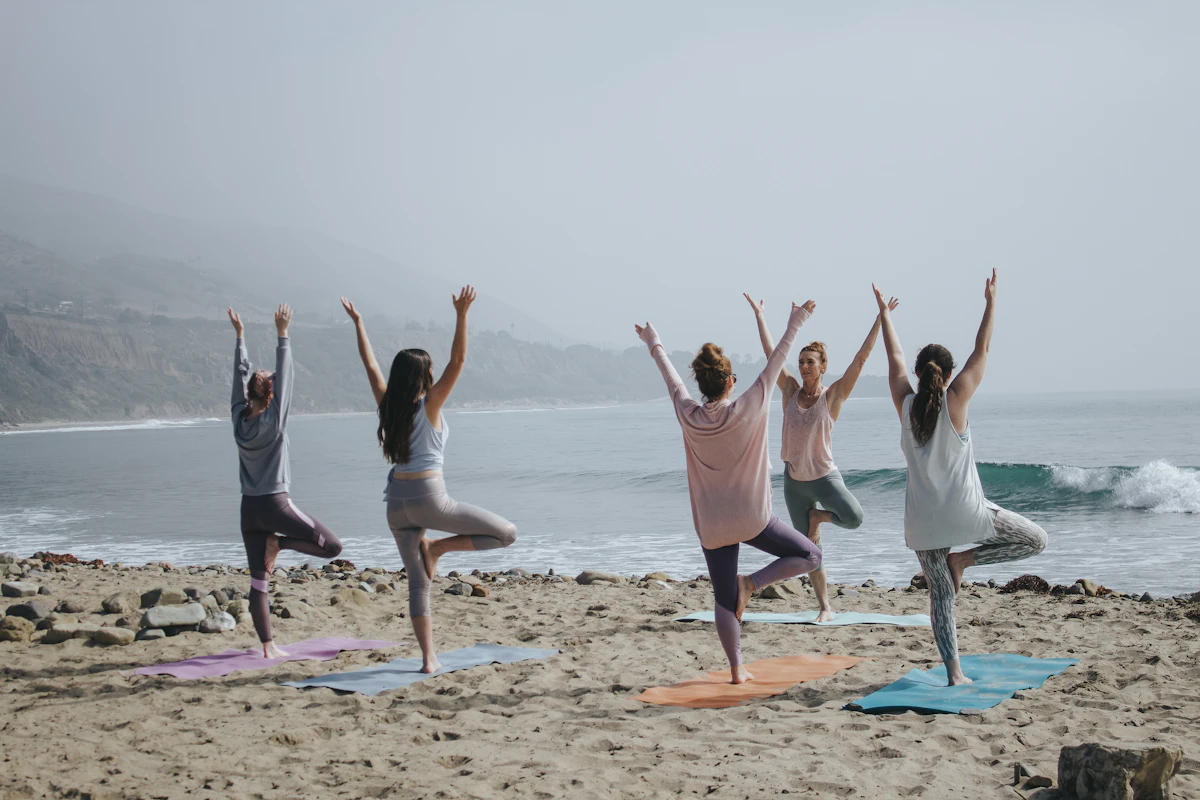
A gentle, restful pose that offers a moment of calm within any practice. Here's a complete guide to Child's Pose, its benefits, and how to make it your own.
Child's Pose, known in Sanskrit as Balasana, is a gentle, resting posture often used to pause, breathe, and reconnect during a yoga practice.
Balasana — 'Bala' meaning child, reflecting the pose's gentle, curled, restful shape.
A resting and restorative pose, commonly used as a transition or pause between more active postures.
Child's Pose offers an accessible way to rest and reset the breath at nearly any point during practice.
Child's Pose is typically practiced by folding the body forward from a kneeling position, allowing the torso to rest gently over the thighs.
The pose can be practiced with the knees together for a more compact shape, or with the knees spread wider for additional space around the torso.
There is no need to force a deep stretch in this pose. Child's Pose is meant to feel restful, so adjusting the position for comfort is always encouraged.
Despite its simplicity, Child's Pose offers a meaningful range of physical and mental benefits.
The gentle, curled shape of the pose encourages the body and mind to settle and relax.
Child's Pose gently stretches the lower back, hips, and spine.
The kneeling position helps release tension in the hips and thighs.
Resting in this position often naturally slows and deepens the breath.
Many practitioners use Child's Pose specifically to pause and reduce feelings of stress or overwhelm during practice.
The pose is commonly used near the end of a session to help transition into deeper relaxation.
One of the most valuable aspects of Child's Pose is its flexibility — it can be used at nearly any point during a yoga session.
Unlike many poses that follow a specific sequence, Child's Pose can be returned to whenever needed, making it a valuable tool for pacing your own practice.
Instructors often remind practitioners that returning to Child's Pose at any time is always acceptable, reinforcing that yoga should be practiced at your own pace.
Child's Pose can be adjusted to suit different comfort levels, flexibility, and physical needs.
Spreading the knees apart creates more space for the torso and can feel more comfortable for some practitioners.
Placing a bolster or folded blanket under the torso offers additional support and comfort during the pose.
Reaching the arms forward emphasizes a gentle stretch through the shoulders, arms, and back.
Resting the arms alongside the body, with the palms facing up, offers a more passive and restful variation.
Placing a folded blanket or cushion under the forehead can provide additional comfort and support during the pose.
Adjusting the depth of the pose and maintaining a comfortable position can make Child's Pose more accessible.
While Child's Pose is gentle, a few small adjustments can make the pose more comfortable and effective.
Because the pose is meant to be restful, forcing discomfort defeats its purpose. Being mindful of a few small details can make a noticeable difference in comfort.
If your hips don't comfortably reach your heels, placing a cushion or folded blanket between your thighs and calves can offer welcome support.
While generally gentle and accessible, a few situations call for modification.
Those with knee injuries may find a modified kneeling position or added cushioning more comfortable.
Pregnant practitioners, especially in later trimesters, often benefit from the wide-knee variation for more space.
Those with ankle discomfort may prefer placing a rolled towel under the ankles for additional support.
Those recovering from abdominal surgery should consult a healthcare professional before practicing deep forward folds.
Those with significant back discomfort may benefit from modifying the depth of the pose and using supportive props.
Stop or modify the pose if you experience pain or unusual discomfort, and seek appropriate professional guidance when needed.
A few misconceptions about Child's Pose are common, even though it's one of the simplest poses in yoga.
✅ Reality: Practitioners of all levels use Child's Pose regularly as a valuable resting posture.
✅ Reality: Using a cushion or block for support is a completely valid modification if the forehead doesn't comfortably reach.
✅ Reality: Child's Pose offers genuine physical and mental benefits and is a foundational part of many practices.
✅ Reality: Child's Pose can be used at any point during practice whenever rest is needed.
✅ Reality: A wide-knee variation is equally valid and often more comfortable for many practitioners.
✅ Reality: The pose gently stretches the back, hips, and thighs, even though it feels restful.
Find answers to common questions about Child's Pose.
Child's Pose supports relaxation, gently stretches the back and hips, and helps calm the breath and mind.
Yes, Child's Pose can be used at any point during a yoga session as a resting posture.
This is common and often related to hip or thigh tightness; using a cushion for support is a helpful modification.
The wide-knee variation is commonly practiced during pregnancy, though it's best to consult a healthcare professional.
You can hold Child's Pose anywhere from a few breaths to several minutes, depending on your needs at the time.
No, practitioners of all experience levels regularly use Child's Pose as a valuable resting posture.
Narrow-knee brings the knees together for a more compact shape, while wide-knee spreads the knees for more space around the torso.
Yes, many practitioners use Child's Pose specifically to slow the breath and ease feelings of stress.
This may result from pressure on the knee joint; placing a folded blanket under the knees can offer additional cushioning.
Yes, using cushions, blankets, or bolsters for support is a common and encouraged practice.
Many practitioners find gentle relief through the stretch Child's Pose offers, though those with existing back conditions should consult a professional.
Yes, it's widely used as a restorative, resting posture within yoga practice.
Yes, some people use Child's Pose on its own as a brief moment of relaxation, even outside a full practice.
Many practitioners focus on slow, deep breathing and allowing the body to fully relax into the position.
You can explore beginner-friendly poses and guides through Yoga Management.
Continue building your pose knowledge with a detailed guide to Downward Dog Pose and its benefits.
Downward Dog Pose BenefitsExplore more foundational poses and beginner guides to support a confident, well-rounded yoga practice.
Explore Yoga Poses