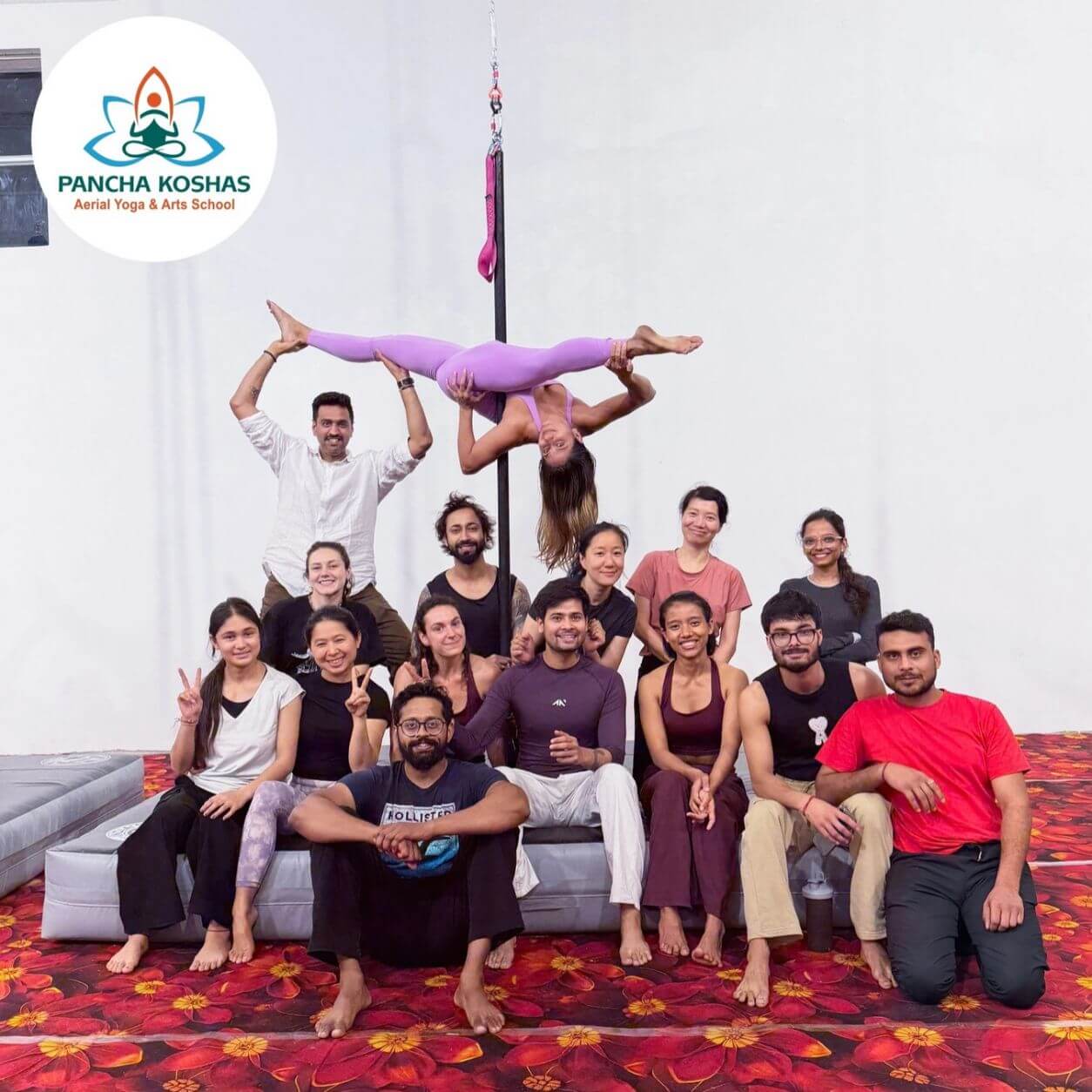
Why people come to Rishikesh for yoga
Rishikesh has been a place of ashrams and spiritual study for generations, and today it calls itself the yoga capital of the world. Most schools sit within walking distance of the river, and many combine postures with meditation, pranayama, philosophy, chanting and Ayurveda, which is harder to find in a city studio.
Every March, Parmarth Niketan ashram hosts the International Yoga Festival, a week of classes and talks that draws teachers and students from across India and abroad. Around 21 June, International Day of Yoga brings group sessions on the ghats.
Where to stay and study
- TapovanThe busiest area for yoga schools, teacher training, cafes and guesthouses. Lively in season.
- Laxman JhulaNext to Tapovan, with schools on both banks of the river and easy access to the market.
- Ram Jhula and Swarg AshramLarge, long-established ashrams with daily classes, satsang and the evening Ganga aarti. Quieter at night.
- Muni Ki RetiOlder ashrams and smaller schools close to the river, a short walk from Ram Jhula.
- Neelkanth Road and ShivpuriRetreat centres in the hills and forest, away from crowds. You will need transport to reach town.
- Rishikesh townLocal teachers and classes near the main market and bus stand, often cheaper and less touristy.
Types of programs
| Program | Length | Suits |
|---|
| Drop-in classes | 60 to 90 minutes | Visitors who want to practise while travelling |
|---|
| Retreats | 3 to 14 days | A break with daily yoga, meditation and rest |
|---|
| 200-hour teacher training | About 3 to 4 weeks, residential | Serious students and future teachers |
|---|
| 300 and 500-hour training | 4 to 8 weeks | Teachers deepening their training |
|---|
| Ashram stays | Flexible | A simple, disciplined routine with chanting and seva |
|---|
| Specialist courses | Days to weeks | Yin, Ashtanga, aerial yoga, sound healing, Ayurveda |
|---|
Most schools teach Hatha, Ashtanga and Vinyasa, with daily pranayama and meditation. Read our teacher training guide before committing to a course.
How to choose a school or TTC
- Certification. If you want to teach, check whether the course is registered with Yoga Alliance, or offers a route to Yoga Certification Board (YCB) certification. See how to become a yoga teacher.
- Who teaches. Ask for the lead teachers' names and experience, and how many hours they teach themselves.
- What the fee covers. Classes only, or also room, meals, books and certificate? Shared or private room?
- Daily schedule and batch size. A typical TTC day runs from about 6 am to evening. Smaller groups get more correction.
- Reviews and a call. Speak to the school before paying, and ask about refund and date-change policies.
- Health. Mention injuries, pregnancy or any condition before you book. Intensive courses are physically demanding.
When to go
| Months | Weather | What to expect |
|---|
| October to November | Clear and pleasant | Peak season starts; book courses early |
|---|
| December to February | Cold mornings and nights | Fewer crowds; pack warm layers for early classes |
|---|
| March to April | Warm and pleasant | Busy, including the International Yoga Festival in March |
|---|
| May to June | Hot | Quieter; practice early and late |
|---|
| July to September | Monsoon | Heavy rain and possible road disruptions; many schools still run |
|---|
Practical tips
- The nearest airport is Jolly Grant (Dehradun), about 20 km away. Haridwar has the nearest major railway station.
- Around the ghats and ashrams, food is vegetarian and alcohol is not served. Many schools offer simple sattvic meals.
- Dress modestly in ashrams and temples, and follow ashram timings.
- The Ganga is cold and fast. Bathe only at marked ghats, and never swim alone.
- New to yoga? Start with our beginners' guide and safety tips before an intensive course.
Yoga in Rishikesh: common questions
Why is Rishikesh called the yoga capital of the world?
It has a long history of ashrams and spiritual study on the Ganga, a large number of yoga schools and teacher training programs, and hosts the annual International Yoga Festival at Parmarth Niketan every March.
Can I do a yoga teacher training course in Rishikesh?
Yes. Rishikesh is one of the most popular places in the world for 200, 300 and 500-hour courses, usually residential. Check whether the course is registered with Yoga Alliance or supports YCB certification if you plan to teach.
How much do yoga courses cost in Rishikesh?
Costs vary widely. Drop-in classes cost far less than residential teacher training, which usually includes room and meals. Each listing on this page shows that school's own fees; ask exactly what is included.
What is the best time of year to do yoga in Rishikesh?
October to April is the main season, with pleasant days. December and January are cold in the mornings, May and June are hot, and the monsoon from July to September brings heavy rain.
Which area of Rishikesh is best for yoga?
Tapovan and Laxman Jhula have the most schools and cafes. Ram Jhula and Swarg Ashram suit ashram stays and a quieter atmosphere. Neelkanth Road and Shivpuri suit secluded retreats.
Are there classes for beginners in Rishikesh?
Yes. Many schools and ashrams run daily drop-in classes and short beginner courses, so you do not need to join a full teacher training.
How can I list my yoga school in Rishikesh?
Submit your school through our List your service page. Our team verifies the details and publishes the listing on this page.
Learn before your first class
A little preparation makes your first weeks in any Rishikesh class easier and safer:
Last updated 24 October 2026.