A simple, step-by-step guide to beginning your yoga journey — how to choose a style, what to expect in your first session, what you need, and how to turn yoga into a lasting habit.
Starting yoga is less about mastering perfect poses and more about beginning a consistent, mindful practice that fits your body, your schedule, and your goals. Every experienced practitioner was once a first-time beginner.
Starting yoga looks different for everyone. There is no single correct way to begin — only the way that feels comfortable and sustainable for you.
Yoga is not about instant flexibility or strength. Progress happens gradually through regular, patient, and consistent practice.
The goal of starting yoga is to build a habit you can return to again and again, not to achieve a finished result on day one.
One of the most important parts of starting yoga is resisting the urge to rush. A slow, steady beginning helps the body adapt safely while building the awareness and confidence needed for long-term practice.
Many beginners assume that yoga should feel challenging from the very first class, or that they need to keep up with more experienced practitioners around them. In reality, yoga is not a competition, and comparing your first session to someone else's tenth year of practice can lead to unnecessary frustration.
Starting slowly allows your muscles, joints, and breath to gradually adjust to new movements. It also gives you time to learn correct alignment, which helps reduce the risk of strain and builds a stronger foundation for more advanced practice later on.
Think of your first few weeks of yoga as an introduction rather than a test. The goal is simply to show up, move mindfully, and get comfortable with the basics — everything else follows naturally with time.
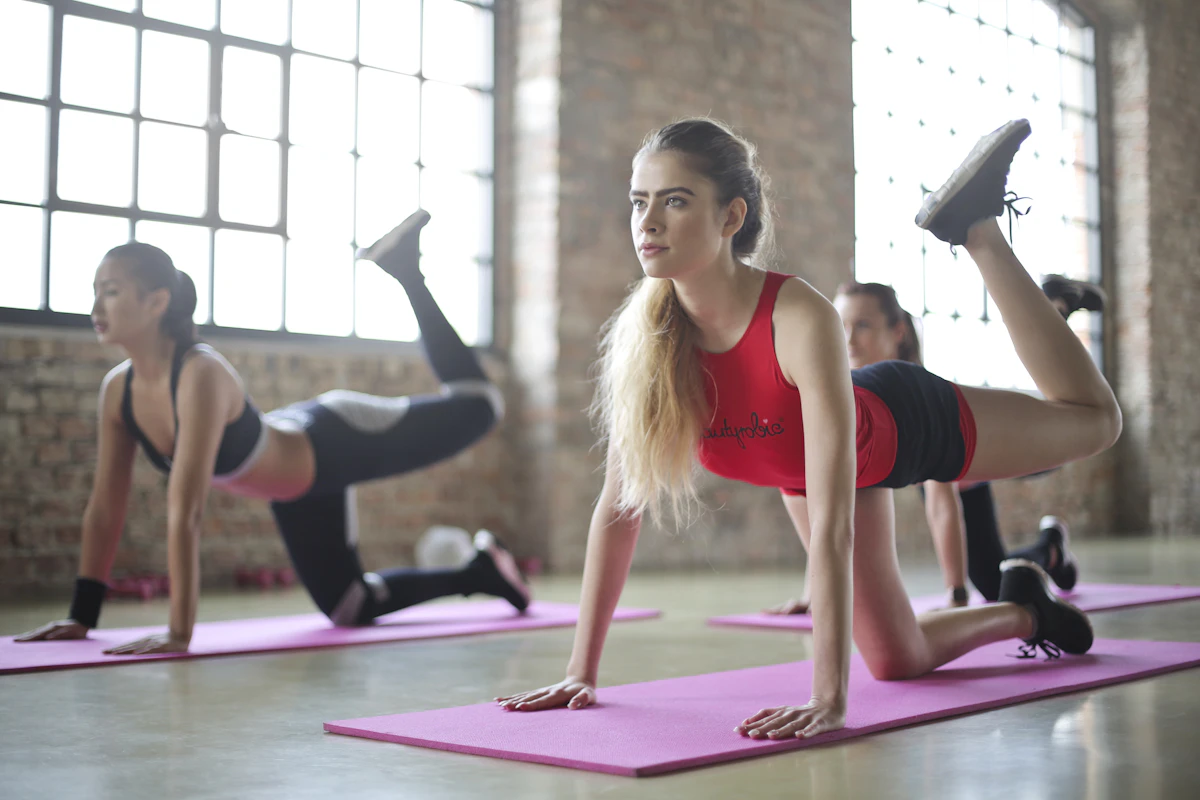
Beginning a regular yoga practice can offer a wide range of physical, mental, and lifestyle benefits, even from the very first few weeks.
Starting yoga can gradually improve flexibility, strength, balance, and posture as your body adapts to regular movement.
Yoga encourages present-moment awareness, which can support focus, mindfulness, and a calmer state of mind.
Combining movement with breath awareness can help ease everyday tension and promote relaxation.
A consistent practice, especially in the evening, may support more restful and consistent sleep habits.
Starting yoga often becomes a gateway to other healthy habits, including mindful eating and better sleep hygiene.
Joining a class or studio can introduce you to a supportive community of fellow beginners and experienced practitioners.
With so many styles of yoga available, choosing where to begin can feel overwhelming. The right starting style depends on your goals, fitness level, and personal preferences.
There is no single "best" style of yoga for everyone. Some styles focus on slow, gentle movement, while others are more physically active. The most important factor is finding a style that feels approachable and enjoyable, since consistency matters more than intensity when you are just starting out.
If you are unsure where to begin, consider starting with a gentle or beginner-labeled class, either online or at a local studio. As you become more comfortable with basic poses and breathing, you can gradually explore other styles that match your evolving goals.
Knowing what to expect can make your first yoga session feel far less intimidating. Most beginner sessions follow a similar, gentle structure.
Whether you attend a studio class or begin practicing at home using a video, most beginner sessions are designed to ease you into movement gradually rather than throw you into difficult postures right away.
It is completely normal to feel a little unsure during your first session. With each class, the poses, pacing, and instructions will start to feel more familiar.
One of the best things about yoga is that it requires very little equipment to get started. Here is what most beginners find genuinely useful.
A basic, non-slip yoga mat provides cushioning and stability for most poses and is the only essential piece of equipment.
Loose or stretchable clothing that allows free movement is ideal for practicing yoga comfortably.
A small, clutter-free area at home or a nearby studio is enough space to begin practicing.
Even 15–20 minutes a few times a week is enough to start building a consistent habit.
Staying hydrated before and after practice supports comfort and overall well-being.
Patience, curiosity, and a willingness to learn are just as important as any physical equipment.
It's completely normal to face a few hurdles when starting something new. Understanding common beginner challenges can help you move past them with confidence.
Almost every yoga practitioner has faced similar challenges when they were just starting out. Recognizing these challenges as a normal part of the process can help you stay motivated instead of feeling discouraged.
The most helpful mindset for beginners is patience. Progress in yoga is rarely dramatic day-to-day, but small, consistent efforts add up meaningfully over weeks and months.
Yoga can be adapted to fit different lifestyles, schedules, and life stages. Here are a few starting points depending on your situation.
Short sessions between classes or study breaks can help improve focus, reduce stress, and support overall well-being.
Early morning or post-work sessions can help create a healthy boundary between work and personal time.
Short, gentle home sessions during nap times can be a manageable way to stay consistent.
Gentle or chair-based yoga styles offer a comfortable, low-impact way to begin.
Yoga can complement other fitness routines by improving flexibility, recovery, and body awareness.
Practicing at home using guided videos is a comfortable and private way to begin at your own pace.
Several misconceptions can discourage beginners from starting yoga. Understanding the reality behind these myths can help you begin with confidence.
✅ Reality: Flexibility develops through practice — it is a result of yoga, not a requirement to begin.
✅ Reality: Yoga can be adapted for people of different ages, body types, and fitness levels.
✅ Reality: A basic mat and comfortable clothing are enough to get started.
✅ Reality: Yoga combines movement, breath awareness, and mindfulness for overall well-being.
✅ Reality: Starting with a few sessions a week is a realistic and effective way to build the habit.
✅ Reality: People begin yoga at every age and stage of life — there is no wrong time to start.
Find answers to common questions people have when starting a yoga practice for the first time.
No. Flexibility develops gradually through regular practice and is not required before you begin.
Starting with beginner-friendly classes, either at a local studio or through guided videos, is a simple and effective way to begin.
Many beginners start with two to three sessions a week and gradually increase frequency as it becomes a comfortable habit.
No. A yoga mat and comfortable clothing are generally enough to get started.
Yes. Many beginners start practicing at home using guided videos before or alongside attending studio classes.
Loose or stretchable clothing that allows free movement is recommended for comfort during practice.
Yes, when practiced gently and mindfully. Beginners should avoid forcing poses and listen to their body's signals.
Many people notice improvements in relaxation and body awareness within a few weeks, while physical changes typically develop over months of consistent practice.
Many people with health conditions practice yoga safely, though it's a good idea to consult a qualified instructor or healthcare professional beforehand.
There is no specific age requirement. People of many ages start yoga successfully with practices adapted to their needs.
Both options work well. Classes offer guidance and feedback, while practicing alone offers flexibility and privacy.
It's completely normal. Modified versions of poses are available, and improvement comes naturally with consistent practice.
Many beginners start with sessions of 15 to 30 minutes and gradually extend the duration as comfort increases.
Many people find that combining gentle movement with breath awareness helps ease everyday stress and tension.
You can explore the Yoga Management directory to find wellness centers and studios offering beginner-friendly classes.
Explore beginner-friendly poses, breathing exercises, and wellness centers to support the next step of your yoga journey.
Explore Yoga for BeginnersTake the first step today. Explore guided resources, beginner tips, and wellness centers designed to support a confident and lasting start to your yoga practice.
Explore Wellness Resources