Surya Namaskar • Sun Salutation • Daily Yoga

Surya Namaskar Benefits

Discover the incredible benefits of Surya Namaskar (Sun Salutation), a traditional yoga sequence that supports flexibility, strength, posture, balance, energy, and overall well-being. Learn why practicing Surya Namaskar daily can become an important part of a healthy lifestyle.

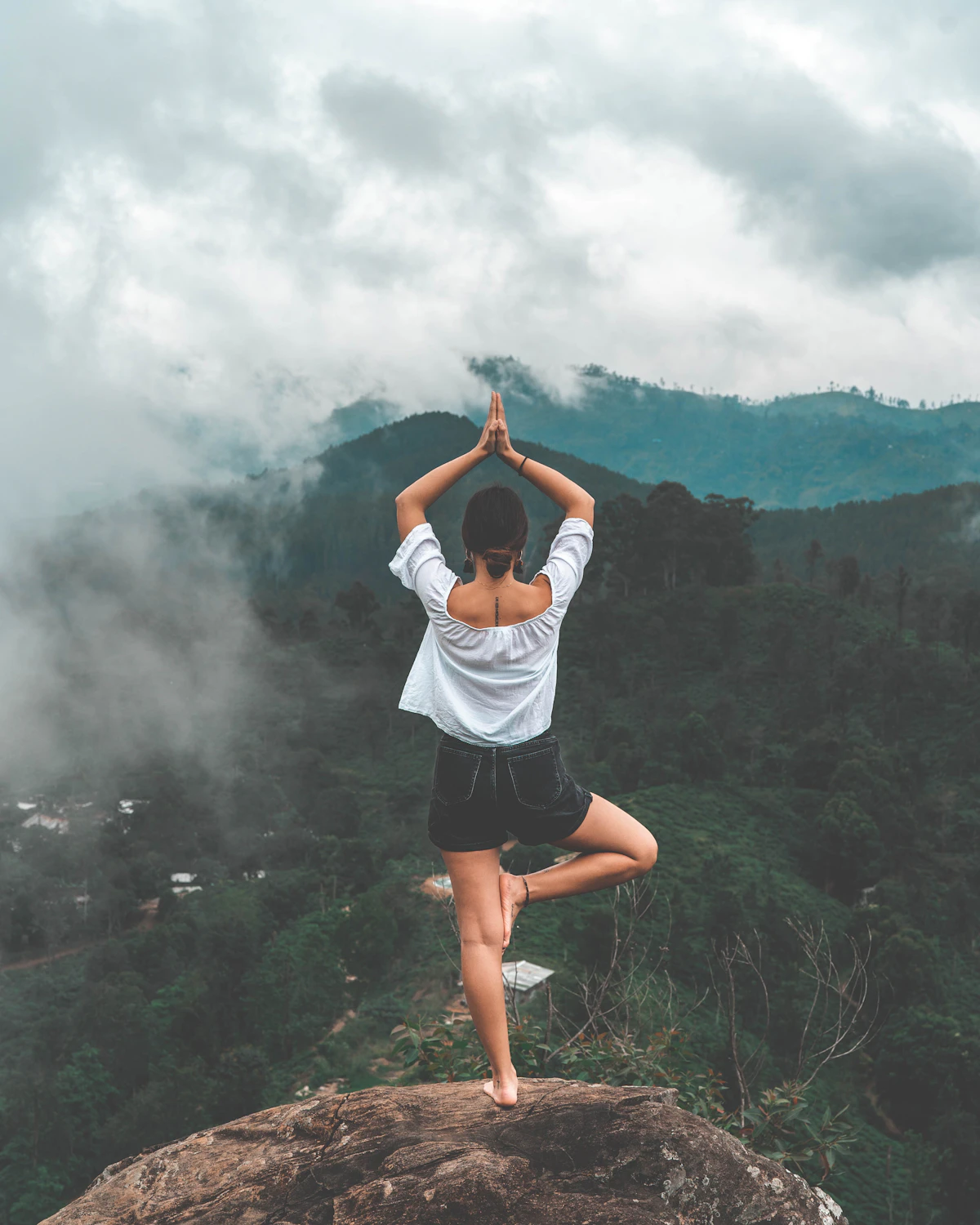
Woman Practicing Surya Namaskar (Sun Salutation) Outdoors

What is Surya Namaskar?

Surya Namaskar, commonly known as Sun Salutation, is a traditional sequence of twelve yoga postures performed in a smooth, continuous flow while coordinating each movement with the breath. Rooted in the ancient practice of yoga, it combines stretching, strength, balance, and mindful breathing into a single routine. Regular practice helps improve flexibility, muscular endurance, posture, body awareness, and overall physical fitness while encouraging a calm and focused mind. Suitable for beginners as well as experienced practitioners, Surya Namaskar can be adapted to different fitness levels and is widely practiced as part of a daily yoga routine.

☀️ A Complete Mind-Body Practice

Unlike individual yoga poses, Surya Namaskar integrates multiple postures into one continuous sequence, engaging nearly every major muscle group while promoting synchronized breathing and mindful movement.

💪 Builds Strength & Flexibility

The flowing sequence helps improve flexibility, joint mobility, muscular strength, balance, and posture. With regular practice, it supports functional fitness and encourages better body coordination.

🧘 Supports Daily Wellness

Practicing Surya Namaskar consistently can enhance energy levels, improve body awareness, and promote mental clarity. It serves as an effective foundation for a balanced yoga practice and an active, healthy lifestyle.

Importance of Surya Namaskar

Surya Namaskar is one of the most complete yoga practices because it combines movement, breathing, balance, and mindfulness into a single flowing sequence. Rather than focusing on one area of the body, it engages multiple muscle groups, promotes joint mobility, and encourages coordinated breathing, making it a valuable addition to a well-rounded wellness routine.

The sequence consists of twelve interconnected postures performed in harmony with the breath. This synchronized approach helps improve body awareness, enhances coordination, and creates a balanced practice that supports both physical fitness and mental focus. Whether practiced as a warm-up, a standalone workout, or part of a broader yoga session, Surya Namaskar offers benefits for people of different ages and fitness levels.

From a physical perspective, regular practice helps develop flexibility, muscular strength, stability, and posture. The continuous movement gently mobilizes the spine, shoulders, hips, legs, and core while encouraging healthy movement patterns that can support everyday activities and overall functional fitness.

Equally important are its mental and emotional benefits. Coordinating each posture with steady breathing encourages mindfulness and concentration, helping practitioners become more present during their practice. Many people include Surya Namaskar in their morning routine as a way to begin the day with focus, energy, and a positive mindset.

Another reason Surya Namaskar remains one of the most widely practiced yoga sequences is its adaptability. Beginners can start with a few slow, comfortable rounds, while experienced practitioners may gradually increase the pace or number of repetitions according to their individual goals and physical ability.

Because it requires minimal equipment and limited space, Surya Namaskar can be practiced at home, in yoga studios, parks, fitness centers, or wellness retreats. Its accessibility makes it an excellent choice for individuals looking to build a consistent and sustainable yoga practice.

When practiced with proper technique and regularity, Surya Namaskar supports overall physical well-being, mindful movement, and healthy lifestyle habits. It continues to be a cornerstone of traditional yoga because of its ability to nurture strength, flexibility, balance, and inner awareness through one integrated sequence.
Benefits of Surya Namaskar

Surya Namaskar is a comprehensive yoga sequence that offers numerous benefits for physical fitness, mental well-being, and overall health. By combining twelve yoga postures with controlled breathing, it creates a balanced practice that supports strength, flexibility, coordination, and mindfulness. Regular practice can become an effective part of a healthy lifestyle for people of all ages.

💪 Physical Health Benefits

  • Improves flexibility throughout the body
  • Strengthens muscles and core stability
  • Enhances posture and spinal alignment
  • Increases joint mobility and balance
  • Supports overall physical fitness and endurance

🧘 Mental & Emotional Benefits

  • Encourages mindfulness through synchronized breathing
  • Helps improve concentration and mental focus
  • Promotes a sense of relaxation and inner balance
  • Supports emotional well-being through regular practice
  • Creates greater body awareness and self-discipline

🌿 Daily Wellness Benefits

  • Develops a consistent and healthy daily routine
  • Can be practiced almost anywhere without equipment
  • Suitable for beginners and experienced practitioners
  • Supports an active and balanced lifestyle
  • Complements meditation, pranayama, and other yoga practices

12 Steps of Surya Namaskar

Surya Namaskar is traditionally performed as a sequence of twelve interconnected yoga postures. Each step is synchronized with the breath, creating a smooth flow that improves flexibility, strength, balance, and body awareness. Together, these postures form one complete round of Sun Salutation and provide a full-body yoga practice suitable for practitioners of different experience levels.

🙏 1. Pranamasana (Prayer Pose)

Begin by standing upright with your palms joined in front of your chest. This posture encourages focus, balanced posture, and prepares the mind and body for the practice ahead.

🙌 2. Hasta Uttanasana (Raised Arms Pose)

Raise both arms overhead and gently arch backward while maintaining proper alignment. This movement opens the chest, stretches the upper body, and promotes flexibility.

🤲 3. Padahastasana (Standing Forward Bend)

Bend forward from the hips and reach toward your feet while keeping the movement comfortable. This posture stretches the hamstrings, calves, and lower back.

🏃 4. Ashwa Sanchalanasana (Equestrian Pose)

Step one leg back while bending the opposite knee and lifting the chest. This pose improves hip flexibility, balance, and spinal extension.

📐 5. Dandasana (Plank Pose)

Move into a strong plank position, keeping the body aligned from head to heels. This posture helps build core strength, stability, and muscular endurance.

🛐 6. Ashtanga Namaskara (Eight-Point Salute)

Lower the knees, chest, and chin toward the floor while keeping the hips slightly elevated. This traditional posture develops control and prepares the body for the next movement.

🐍 7. Bhujangasana (Cobra Pose)

Lift the chest gently while keeping the shoulders relaxed. Cobra Pose helps improve spinal flexibility, opens the chest, and strengthens the back muscles.

⛰️ 8. Parvatasana (Mountain Pose)

Lift the hips upward to form an inverted V-shape. This posture stretches the back, shoulders, calves, and hamstrings while improving overall body alignment.

🏃 9. Ashwa Sanchalanasana (Opposite Leg Forward)

Bring the opposite leg forward into the equestrian pose, maintaining steady breathing and balanced posture as you continue the sequence.

🤲 10. Padahastasana (Standing Forward Bend)

Step both feet together and gently fold forward, allowing the body to relax into a comfortable stretch while maintaining smooth breathing.

🙌 11. Hasta Uttanasana (Raised Arms Pose)

Rise slowly, lifting the arms overhead with a gentle backward stretch. This movement opens the front of the body and completes the upward transition.

🙏 12. Pranamasana (Prayer Pose)

Return to the starting position with palms together at the chest. Pause for a few moments, breathe naturally, and prepare for the next round if desired.

How to Practice Surya Namaskar Safely

Surya Namaskar is suitable for people of different ages and fitness levels when practiced with proper technique and awareness. Whether you are new to yoga or returning after a break, beginning gradually and focusing on correct posture can help you build confidence while reducing the risk of discomfort or injury. A consistent and mindful approach is more beneficial than performing many rounds too quickly.

Before starting, choose a clean, well-ventilated space where you can move comfortably. Wear clothing that allows unrestricted movement and use a yoga mat to provide stability. Practicing on an empty stomach or at least two to three hours after a meal is generally recommended for comfort during the sequence.

Instead of rushing through the twelve postures, synchronize every movement with slow and controlled breathing. Focus on maintaining proper alignment rather than trying to achieve maximum flexibility. As your strength, mobility, and confidence improve, you can gradually increase the number of rounds according to your comfort level.

Best Practices for Daily Surya Namaskar

  • Practice after a light warm-up if your body feels stiff.
  • Coordinate every posture with steady and controlled breathing.
  • Move smoothly without forcing any stretch.
  • Maintain proper spinal alignment throughout the sequence.
  • Start with 3–5 rounds and increase gradually over time.
  • Stay hydrated before and after your practice.
  • Listen to your body and stop if you experience pain or dizziness.
  • End your session with relaxation or a few minutes of meditation.
  • Practice consistently rather than focusing on speed.
  • Learn the correct technique from a qualified yoga instructor whenever possible.

Simple Steps for Beginners

  1. Choose a quiet and comfortable place to practice.
  2. Begin with a few gentle stretches to prepare your body.
  3. Learn the twelve Surya Namaskar postures one step at a time.
  4. Coordinate each movement with natural breathing.
  5. Complete 3 to 5 rounds at a comfortable pace.
  6. Take short breaks whenever needed.
  7. Finish with relaxation or deep breathing.
  8. Practice regularly to develop strength, flexibility, and confidence.

Although Surya Namaskar is often practiced in the morning, the most important factor is consistency. Practicing with proper technique, controlled breathing, and mindful movement can help you experience its long-term physical and mental wellness benefits while building a sustainable yoga routine.

If you have an existing medical condition, recent surgery, or concerns about performing yoga safely, consult a qualified healthcare professional or certified yoga instructor before beginning a new exercise program.

Surya Namaskar for Different Goals

Surya Namaskar is a versatile yoga practice that can be adapted to support a wide range of health and fitness goals. Whether you want to improve flexibility, build strength, increase energy levels, enhance mindfulness, or establish a consistent wellness routine, the Sun Salutation sequence can be tailored to suit your individual needs. Practicing regularly with proper technique allows you to experience gradual improvements while developing a balanced approach to physical and mental well-being.

⚖️ Surya Namaskar for Weight Management

When combined with a balanced diet and an active lifestyle, regular Surya Namaskar practice can support calorie expenditure, improve muscular endurance, and contribute to overall fitness goals. It should be viewed as one component of a healthy weight management plan rather than a standalone solution.

💪 Surya Namaskar for Strength & Fitness

The flowing sequence engages the arms, shoulders, chest, core, back, and legs, helping develop functional strength, better stability, improved posture, and overall body conditioning through consistent practice.

🤸 Surya Namaskar for Flexibility

The combination of forward bends, backbends, and full-body stretches promotes flexibility in the spine, hips, shoulders, hamstrings, and calves while encouraging smoother joint movement and improved mobility.

🧘 Surya Namaskar for Mental Focus

Synchronizing each posture with controlled breathing encourages mindfulness, concentration, and greater body awareness. Many practitioners find that a regular practice helps them begin the day with improved focus and mental clarity.

❤️ Surya Namaskar for Overall Wellness

Practicing Surya Namaskar consistently supports an active lifestyle by combining movement, breathing, and mindfulness into one complete routine. It encourages healthy habits that contribute to long-term physical and mental well-being.

🌅 Surya Namaskar for Daily Routine

Because it requires very little space and no special equipment, Surya Namaskar can easily become part of a daily wellness routine. Even a few mindful rounds each day can help build consistency, discipline, and a positive start to the morning.

Surya Namaskar Safety Tips

Surya Namaskar is generally considered a safe yoga practice when performed with proper technique and awareness. Paying attention to posture, breathing, and your body's natural limits can help you practice comfortably while reducing the likelihood of strain or injury. Whether you are a beginner or an experienced practitioner, following a few simple safety guidelines can make your practice more effective and enjoyable.

Although Surya Namaskar appears to be a simple sequence, it involves coordinated movement of the entire body. Performing each posture with controlled breathing and proper alignment is more important than completing a large number of rounds. Progress gradually and allow your body time to adapt as your flexibility, strength, and endurance improve.

If you are new to yoga, consider learning the sequence under the guidance of a certified yoga instructor. Correct technique can help you develop confidence, improve body awareness, and avoid common alignment mistakes.

Essential Safety Tips

  • Practice on a stable, non-slip yoga mat.
  • Wear comfortable clothing that allows unrestricted movement.
  • Practice on an empty stomach or at least 2–3 hours after a meal.
  • Coordinate every movement with slow, natural breathing.
  • Maintain proper posture and body alignment throughout the sequence.
  • Avoid rushing through the twelve postures.
  • Increase the number of rounds gradually as your fitness improves.
  • Stay hydrated before and after your yoga session.
  • Stop immediately if you experience sharp pain, dizziness, or unusual discomfort.
  • Finish your practice with relaxation or a few minutes of deep breathing.

Tips for Beginners

  • Learn the twelve postures one step at a time.
  • Begin with 3–5 comfortable rounds.
  • Focus on accuracy instead of speed.
  • Use slow, controlled movements throughout the sequence.
  • Rest whenever your body needs a break.
  • Practice consistently rather than excessively.

Who Should Take Extra Care?

  1. People recovering from recent surgery or injury.
  2. Individuals with persistent joint, back, or neck problems.
  3. Those with uncontrolled medical conditions unless advised by a healthcare professional.
  4. Pregnant individuals should seek guidance from their healthcare provider and a qualified prenatal yoga instructor before practicing.
  5. Anyone experiencing pain or discomfort during the sequence should stop and seek professional advice if symptoms continue.

Surya Namaskar should feel smooth, comfortable, and controlled rather than strenuous or painful. Practicing with patience, proper technique, and consistent effort allows you to enjoy its long-term physical and mental wellness benefits while minimizing the risk of injury.

Who Can Practice Surya Namaskar?

Surya Namaskar is a versatile yoga sequence that can be adapted for people with different fitness levels, ages, and wellness goals. Whether you are beginning your yoga journey or have years of experience, the practice can be modified to match your comfort, flexibility, and physical ability. Learning the correct technique and progressing gradually helps create a safe and enjoyable experience.

🌱 Beginners

People who are new to yoga can start with a few slow rounds while focusing on proper posture, breathing, and body alignment. Learning each of the twelve postures individually helps build confidence before increasing the pace or number of rounds.

💼 Working Professionals

Individuals with desk-based jobs often include Surya Namaskar in their daily routine to improve flexibility, encourage movement after long hours of sitting, and develop healthier lifestyle habits through regular physical activity.

🏃 Fitness Enthusiasts

Surya Namaskar can complement strength training, walking, running, or other forms of exercise by improving mobility, balance, coordination, and functional movement while supporting overall fitness.

👨‍👩‍👧 Adults of Different Ages

Healthy adults can practice Surya Namaskar at a pace that matches their individual fitness level. The sequence can be adjusted in speed and intensity, making it suitable for a wide range of abilities when performed correctly.

🧘 Regular Yoga Practitioners

Experienced practitioners often use Surya Namaskar as part of their warm-up, meditation preparation, or complete yoga session. The sequence integrates naturally with pranayama, asanas, and relaxation practices.

❤️ People with Medical Conditions

Individuals with existing health conditions, recent injuries, or mobility limitations should seek advice from a qualified healthcare professional or certified yoga instructor before beginning Surya Namaskar. Personalized guidance can help ensure that the practice is appropriate for their individual needs.

Common Surya Namaskar Myths

Surya Namaskar is one of the most widely practiced yoga sequences, yet several misconceptions continue to discourage people from including it in their daily routine. Understanding the facts can help beginners and experienced practitioners practice with greater confidence, realistic expectations, and a stronger focus on long-term health and wellness.

❌ Myth: Surya Namaskar Is Only for Flexible People

Reality: Flexibility is developed through regular practice, not a requirement to begin. Beginners can start with modified movements and gradually improve their mobility, strength, and confidence over time.

❌ Myth: More Rounds Always Mean Better Results

Reality: Quality is more important than quantity. Performing each posture with proper alignment, controlled breathing, and mindful movement is generally more beneficial than completing many rounds with poor technique.

❌ Myth: Surya Namaskar Is Only for Weight Loss

Reality: While Surya Namaskar can support an active lifestyle, its benefits extend far beyond weight management. It also promotes flexibility, muscular strength, balance, posture, coordination, and overall physical well-being.

❌ Myth: Beginners Should Avoid Surya Namaskar

Reality: Surya Namaskar can be practiced by beginners when learned correctly. Starting with a few slow rounds under proper guidance helps build technique, body awareness, and confidence.

❌ Myth: Surya Namaskar Replaces Every Other Form of Exercise

Reality: Surya Namaskar is an excellent full-body yoga practice, but it works best as part of a balanced lifestyle that may also include strength training, cardiovascular exercise, adequate nutrition, and sufficient rest.

❌ Myth: Everyone Should Practice the Same Number of Rounds

Reality: The ideal number of rounds depends on individual fitness, experience, health status, and personal goals. It is best to increase practice gradually while listening to your body's needs rather than comparing yourself with others.

Frequently Asked Questions

Find answers to common questions about Surya Namaskar (Sun Salutation), including its benefits, daily practice, correct technique, safety, and tips for beginners.

Surya Namaskar, also known as Sun Salutation, is a traditional yoga sequence consisting of twelve postures performed in coordination with controlled breathing. It is widely practiced to improve flexibility, strength, balance, and overall well-being.

Regular practice of Surya Namaskar can help improve flexibility, muscular strength, posture, coordination, balance, body awareness, and overall physical fitness. It also encourages mindful breathing and healthy daily habits.

Yes. Beginners can learn Surya Namaskar by practicing slowly, focusing on proper posture and breathing. Learning from a certified yoga instructor is recommended to ensure correct technique.

Many people prefer practicing Surya Namaskar in the morning on an empty stomach. However, it can also be practiced at other suitable times, provided you are comfortable and avoid practicing immediately after meals.

Beginners often start with 3 to 5 rounds and gradually increase as their strength and endurance improve. The ideal number varies depending on individual fitness levels and personal goals.

When combined with a balanced diet and regular physical activity, Surya Namaskar can contribute to an active lifestyle and support overall fitness goals. It should not be considered a standalone solution for weight loss.

Yes. The sequence includes forward bends, backbends, and full-body stretches that may help improve flexibility and joint mobility when practiced consistently with proper technique.

Yes. Surya Namaskar requires very little space or equipment, making it suitable for home practice. A yoga mat and comfortable clothing are generally sufficient.

Many healthy older adults can practice modified Surya Namaskar under appropriate guidance. Individuals with medical conditions or mobility concerns should consult a healthcare professional or qualified yoga instructor before starting.

Yes. Controlled breathing is an essential part of Surya Namaskar. Synchronizing each movement with the breath promotes mindfulness, improves rhythm, and enhances the overall yoga experience.

Surya Namaskar is an excellent full-body yoga practice, but it is most effective when included as part of a balanced fitness routine that may also include strength training, cardiovascular exercise, and healthy nutrition.

No. Most people only need a non-slip yoga mat and comfortable clothing that allows unrestricted movement.

People recovering from injuries, recent surgery, or those with certain medical conditions should seek advice from a qualified healthcare professional before practicing. Modifications may be appropriate depending on individual circumstances.

One round usually takes about one to three minutes, depending on the speed of practice. Beginners are encouraged to move slowly and focus on proper alignment rather than completing the sequence quickly.

You can explore certified yoga teachers, yoga studios, wellness centers, and yoga training programs through Yoga Management to learn Surya Namaskar safely and improve your yoga practice under professional guidance.

Discover the Benefits of Surya Namaskar

Explore the physical, mental, and lifestyle benefits of Surya Namaskar through expert resources, beginner-friendly guides, safe practice tips, and yoga education designed to help you build a healthier and more active daily routine.

Find Yoga Centers

Begin Your Surya Namaskar Journey Today

Learn the correct twelve-step Sun Salutation sequence, improve your flexibility and strength, develop a consistent yoga practice, and connect with experienced yoga teachers and wellness centers through Yoga Management.

Explore Yoga Resources