Discover pranayama, traditional yogic breathing techniques, breath control practices, and mindfulness exercises that support relaxation, focus, respiratory awareness, and overall well-being.
Pranayama is the practice of conscious breathing and breath control in yoga. The word "Pranayama" comes from Sanskrit, where "Prana" means life force or vital energy and "Ayama" refers to expansion, regulation, or control. Pranayama techniques help develop breath awareness and support physical, mental, and emotional well-being.
Pranayama teaches individuals to observe and regulate their breathing patterns, helping improve mindfulness, concentration, and self-awareness.
Breathing techniques are often practiced alongside yoga and meditation to create harmony between the body, mind, and breath.
Regular pranayama practice may support relaxation, focus, respiratory health, stress management, and overall well-being.
Pranayama has been an important part of yogic traditions for thousands of years. Ancient yoga texts describe pranayama as a practice that helps regulate the breath, improve awareness, and support harmony between the body and mind.
The concept of pranayama originated in ancient India and is mentioned in classical yoga literature, including the Yoga Sutras and Hatha Yoga texts. Traditionally, pranayama was practiced to prepare the mind for meditation and deeper states of awareness.
In yoga philosophy, breath is considered closely connected to prana, or life energy. Pranayama techniques were developed to help practitioners become more conscious of their breathing patterns and cultivate greater control over the breath.
Over time, pranayama gained worldwide recognition as an effective wellness practice. Today, people from different backgrounds incorporate breathing exercises into their daily routines to support relaxation, focus, mindfulness, and overall well-being.
One of the most important aspects of pranayama is its ability to encourage mindful breathing. Many people spend much of their day breathing unconsciously, while pranayama teaches awareness and intentional control of the breath.
Regular pranayama practice is often included alongside yoga poses, meditation, and mindfulness exercises. Together, these practices create a balanced approach to physical health, mental clarity, emotional well-being, and personal growth.
Whether practiced for relaxation, concentration, stress management, or self-awareness, pranayama remains one of the most valuable components of traditional yoga and continues to benefit millions of practitioners worldwide.
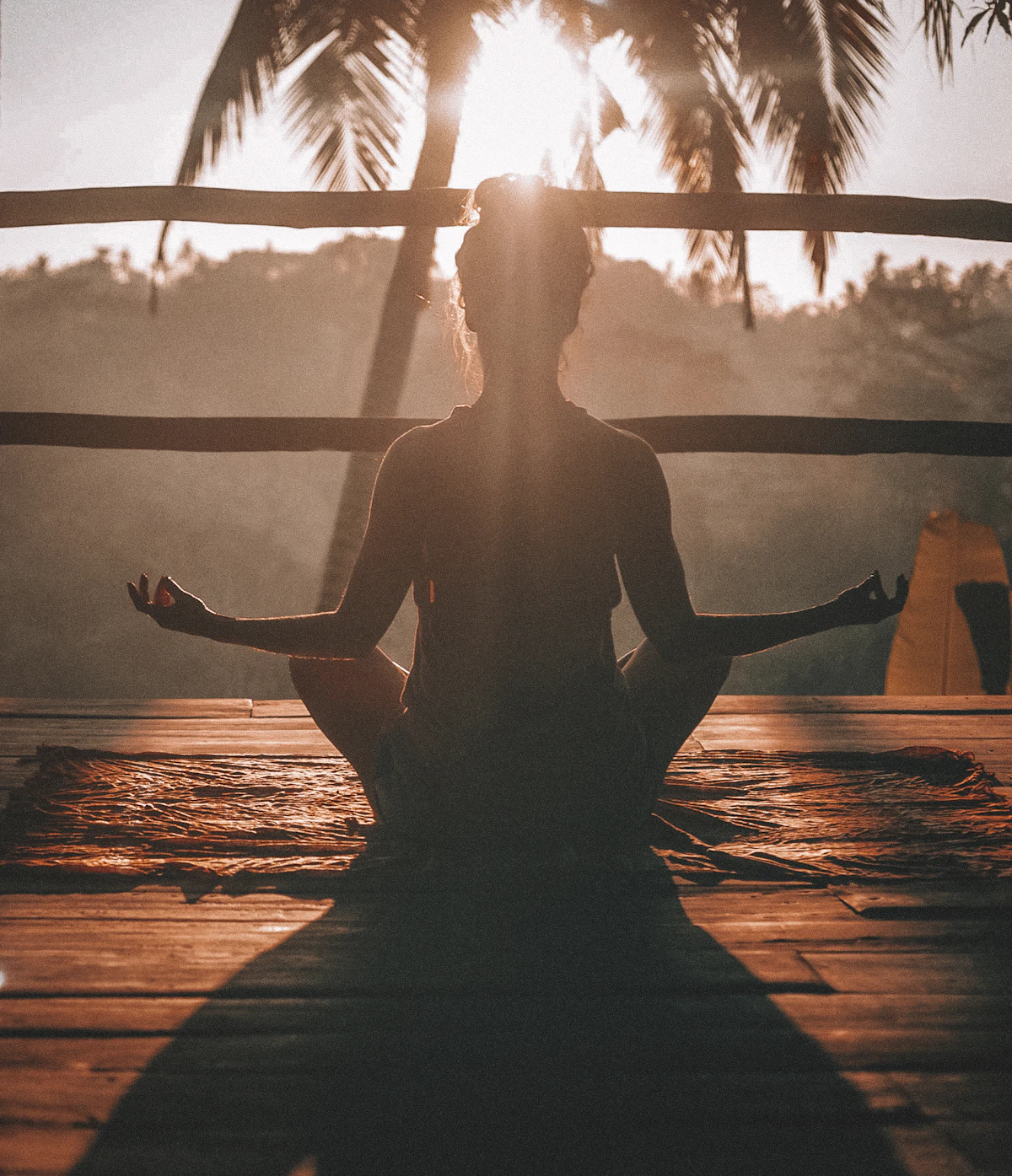
Pranayama offers a variety of physical, mental, and wellness benefits by improving breath awareness and encouraging mindful breathing. Regular practice can support overall health, relaxation, focus, and well-being.
There are many pranayama techniques practiced in yoga. Each breathing exercise has a unique approach and is traditionally used to support relaxation, focus, mindfulness, energy, and overall well-being.
Also known as Alternate Nostril Breathing, this popular pranayama technique promotes balance, relaxation, breath awareness, and mental clarity.
A dynamic breathing practice that emphasizes active exhalation and is commonly practiced to increase energy and breath awareness.
Known as Bee Breath, this calming technique uses a gentle humming sound to encourage relaxation, concentration, and mindfulness.
A slow and controlled breathing technique often used during yoga practice to improve focus, awareness, and breath control.
A traditional yogic breathing practice that helps improve breath awareness and is associated with balance and mindfulness.
Also called Bellows Breath, this energizing breathing technique is commonly practiced to increase awareness and vitality.
Pranayama is the practice of conscious breathing and breath regulation. It is commonly practiced as part of yoga and meditation routines to improve breath awareness, mindfulness, relaxation, and overall well-being.
Pranayama can be practiced by people of different ages and experience levels. Beginners often start with simple breathing exercises before progressing to more advanced techniques. The goal is not to force the breath but to develop awareness and control gradually.
A comfortable sitting position and a calm environment can help create a positive pranayama experience. Practitioners are encouraged to focus on slow, steady, and mindful breathing throughout the practice.
Many practitioners combine pranayama with yoga poses and meditation to create a balanced wellness routine. Even a few minutes of daily breathing practice can help develop mindfulness and greater awareness of the breath.
With regular practice, pranayama can become an important tool for supporting relaxation, concentration, emotional balance, and overall wellness. Consistency and patience are often more important than the duration of practice.
Different pranayama techniques are practiced for different purposes. Some breathing exercises promote relaxation, while others help improve focus, energy, mindfulness, and overall well-being.
Breathing techniques such as Bhramari and Deep Breathing are commonly practiced to encourage calmness, relaxation, and stress management.
Mindful breathing practices can help improve concentration, mental clarity, and awareness by encouraging attention to the breath.
Regular breathing exercises support overall well-being by promoting healthy breathing habits, mindfulness, and emotional balance.
Techniques such as Kapalbhati and Bhastrika are often practiced to increase alertness, vitality, and breath awareness.
Many practitioners use pranayama before meditation to calm the mind, improve concentration, and prepare for deeper awareness.
Simple breathing exercises can be incorporated into daily routines to support mindfulness, relaxation, and a balanced lifestyle.
Pranayama is generally considered a safe practice when performed mindfully and with proper guidance. Following basic safety principles can help practitioners develop healthy breathing habits and enjoy the benefits of pranayama comfortably.
Pranayama focuses on conscious breathing and breath awareness. Beginners are encouraged to start with simple breathing techniques and gradually progress as they become more comfortable with the practice.
Breathing exercises should never feel forced or uncomfortable. The goal is to create smooth, steady, and controlled breathing patterns while maintaining relaxation and awareness.
Pranayama should feel comfortable, calming, and supportive. By practicing patiently and mindfully, individuals can develop healthy breathing habits and enjoy the long-term benefits of conscious breath awareness.
Different pranayama techniques can support different wellness goals. Whether you want relaxation, focus, mindfulness, energy, or overall well-being, there are breathing practices that can complement your daily routine.
Techniques such as Deep Breathing and Bhramari Pranayama are commonly practiced to encourage calmness, relaxation, and stress management.
Mindful breathing exercises help improve concentration, attention, mental clarity, and overall awareness of the present moment.
Practices such as Kapalbhati and Bhastrika are often associated with increased alertness, vitality, and breath awareness.
Many practitioners use breathing techniques before meditation to calm the mind, improve concentration, and prepare for mindfulness practices.
Regular breathing exercises may help encourage emotional balance, self-awareness, relaxation, and a more mindful approach to daily life.
Simple breathing practices can be incorporated into everyday routines to support healthy habits, mindfulness, and overall well-being.
Many people have misconceptions about pranayama and breathing exercises. Understanding the facts can help practitioners approach pranayama with greater confidence and awareness.
✅ Reality: Pranayama includes a variety of breathing techniques that focus on breath awareness, regulation, mindfulness, and overall well-being.
✅ Reality: Many pranayama techniques are beginner-friendly and can be practiced by people of different ages and experience levels.
✅ Reality: Consistency and proper technique are often more important than the duration of practice.
✅ Reality: Most breathing exercises require only a comfortable place to sit and focused attention on the breath.
✅ Reality: Different pranayama techniques may support relaxation, concentration, mindfulness, breath awareness, and overall wellness.
✅ Reality: The benefits of pranayama typically develop gradually through regular and mindful practice over time.
Find answers to common questions about pranayama, breathing techniques, breath awareness, mindfulness, and yoga breathing practices.
Pranayama is the practice of conscious breathing and breath control in yoga. It helps develop breath awareness and supports physical, mental, and emotional well-being.
The word Pranayama comes from Sanskrit, where "Prana" means life force or vital energy and "Ayama" refers to expansion, regulation, or control.
Yes. Many pranayama techniques are beginner-friendly and can be practiced by people of different ages and experience levels.
Pranayama may help improve breath awareness, concentration, relaxation, mindfulness, emotional balance, and overall well-being.
Many practitioners include pranayama in their daily routine. Even a few minutes of mindful breathing each day can be beneficial.
Anulom Vilom is a popular alternate nostril breathing technique commonly practiced to encourage balance, relaxation, and breath awareness.
Kapalbhati is a breathing exercise that emphasizes active exhalation and is often practiced to increase breath awareness and energy.
Bhramari, also known as Bee Breath, is a calming breathing technique that uses a gentle humming sound to encourage relaxation and focus.
Ujjayi is a controlled breathing technique commonly used during yoga practice to improve concentration, awareness, and breath control.
Many people practice pranayama as part of a wellness routine that supports relaxation, mindfulness, and stress management.
Mindful breathing exercises may help improve concentration, mental clarity, and awareness of the present moment.
Pranayama can be practiced independently or alongside yoga poses, meditation, and mindfulness practices.
Many practitioners prefer practicing in a calm environment, often during the morning or at a time when they can focus without distractions.
No. Most pranayama practices require only a comfortable place to sit and the ability to focus on the breath.
Yes. Many people practice pranayama at home using books, videos, online classes, apps, or written guides.
Sessions may range from a few minutes to longer practice periods depending on experience, goals, and individual preferences.
Many breathing exercises can be adapted for different ages and abilities. Beginners should start gently and practice within their comfort level.
Yes. Many practitioners use pranayama before meditation to encourage relaxation, concentration, and mindfulness.
Regular practice helps develop breath awareness and allows practitioners to gradually experience the long-term benefits of mindful breathing.
You can explore yoga centers, yoga studios, instructors, and wellness communities through the Yoga Management directory.
Discover pranayama exercises, mindful breathing practices, relaxation techniques, and wellness resources designed to support focus, mindfulness, and overall well-being.
Find Yoga CentersLearn breathing techniques, improve breath awareness, develop mindfulness, and build healthy habits that support long-term wellness and relaxation.
Explore Yoga Resources