Discover flexibility training, stretching exercises, mobility routines, and movement practices designed to improve flexibility, joint mobility, posture, physical performance, and overall well-being.
Flexibility training is the practice of improving the ability of muscles, joints, and connective tissues to move through a full range of motion. It involves stretching exercises, mobility movements, and flexibility-focused routines that help enhance movement quality, posture, and overall physical well-being.
Flexibility training helps increase mobility in muscles and joints, allowing the body to move more freely and comfortably during daily activities and exercise.
Regular stretching and mobility exercises support balance, coordination, posture, and movement efficiency while helping reduce stiffness.
Flexibility training contributes to physical fitness, healthy movement patterns, recovery, and long-term well-being for people of all ages and activity levels.
Flexibility training is an important component of physical fitness that helps improve mobility, movement quality, posture, and overall physical function. It focuses on maintaining and improving the range of motion of muscles and joints through stretching and mobility exercises.
The concept of flexibility training has been part of physical conditioning, yoga, sports, and wellness practices for centuries. Traditional movement systems and modern fitness programs both recognize the importance of maintaining flexible muscles and healthy joint mobility for overall well-being.
As people age or spend long hours sitting, muscles and joints may become stiff and less mobile. Flexibility training helps counteract these effects by encouraging regular movement and improving the body's ability to move efficiently and comfortably.
Athletes, fitness enthusiasts, and individuals of all activity levels often include flexibility exercises in their routines to support performance, recovery, balance, and movement efficiency. Improved flexibility may also contribute to better posture and reduced muscle tightness.
One of the most important aspects of flexibility training is its role in supporting everyday activities. Simple movements such as bending, reaching, walking, lifting, and exercising often become easier when muscles and joints can move through a healthy range of motion.
Flexibility training is commonly combined with yoga, mobility exercises, stretching routines, and strength training to create a balanced fitness program. Consistent practice can help individuals maintain mobility and support long-term physical wellness.
Whether the goal is improved athletic performance, better posture, injury prevention, enhanced mobility, or overall fitness, flexibility training remains one of the most valuable components of a healthy and active lifestyle.
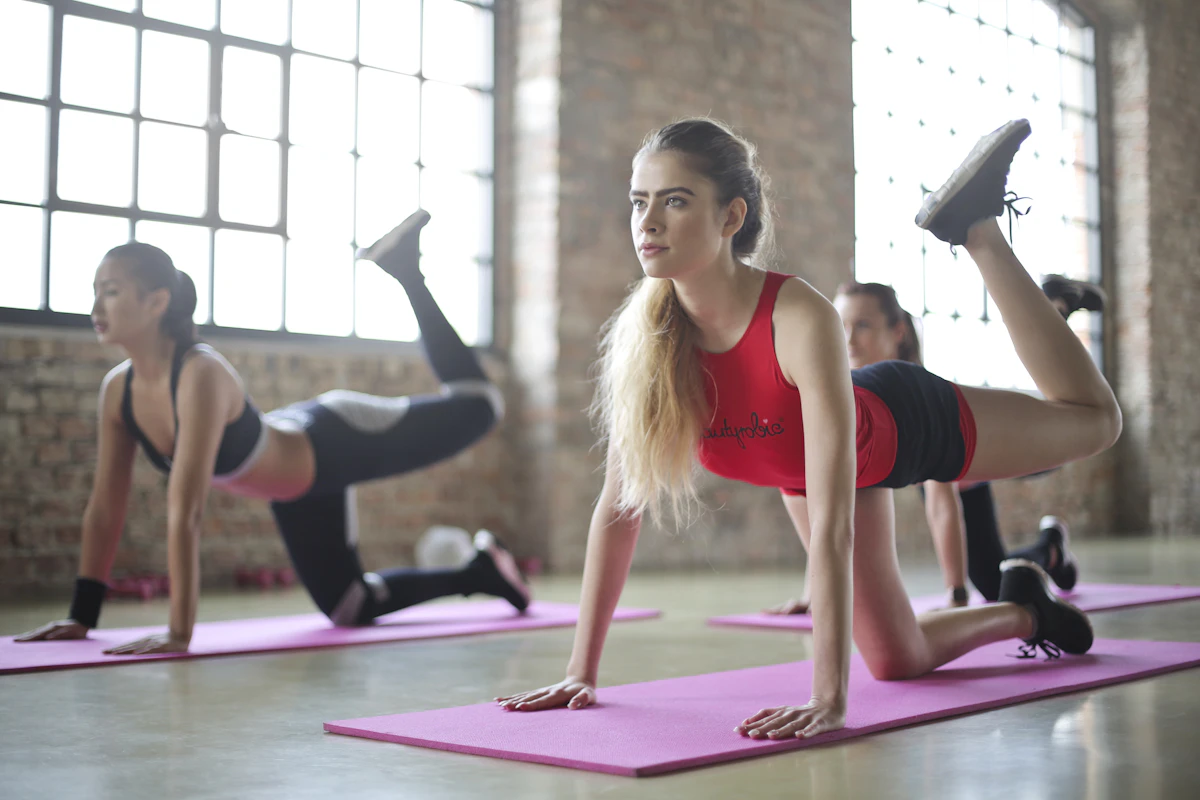
Flexibility training provides numerous physical, fitness, and wellness benefits. Regular stretching and mobility exercises can help improve movement quality, posture, joint mobility, and overall physical performance.
There are several types of flexibility training methods used to improve mobility, range of motion, movement quality, and overall physical performance. Each approach offers unique benefits and can be incorporated into a balanced fitness routine.
Static stretching involves holding a stretch position for a period of time to help improve flexibility, muscle length, and overall mobility.
Dynamic stretching uses controlled movements that take joints and muscles through their full range of motion, making it popular as a warm-up activity.
Active stretching uses the strength of opposing muscles to hold a stretch position without external assistance, helping improve flexibility and control.
Passive stretching involves using an external force such as a partner, strap, wall, or body weight to assist with a stretch.
Mobility exercises focus on improving joint movement, flexibility, coordination, and movement efficiency for everyday activities and exercise.
Proprioceptive Neuromuscular Facilitation (PNF) is an advanced stretching method that combines muscle contractions and stretching to improve flexibility.
Improving flexibility is a gradual process that involves consistent stretching, mobility exercises, physical activity, and healthy movement habits. People of all ages and fitness levels can work on flexibility to support mobility, posture, movement quality, and overall well-being.
Flexibility develops over time through regular practice rather than forceful stretching. Consistency is often more important than intensity, and even a few minutes of stretching each day can contribute to long-term improvements in mobility and range of motion.
A balanced flexibility routine may include stretching exercises, mobility drills, yoga poses, and light physical activity. Warming up the body before stretching can help prepare muscles and joints for movement.
Many people combine flexibility training with yoga, mobility routines, strength training, and regular exercise to create a balanced fitness program. A consistent approach often produces better results than occasional intensive stretching sessions.
Improving flexibility is a long-term process that requires patience and regular practice. By gradually increasing mobility and maintaining healthy movement habits, individuals can support physical performance, comfort, and overall wellness throughout life.
People practice flexibility training for different reasons. Whether the goal is better mobility, athletic performance, posture improvement, recovery, or overall wellness, flexibility exercises can be adapted to support a variety of fitness and lifestyle needs.
Mobility-focused flexibility exercises help improve joint movement, range of motion, and overall movement quality for daily activities and exercise.
Many fitness enthusiasts include stretching and mobility training to support exercise performance, movement efficiency, and balanced physical development.
Athletes often use flexibility training to improve movement patterns, coordination, agility, and overall physical preparedness for sports and activities.
Stretching routines may help reduce muscle tightness and support healthy posture, especially for individuals who spend long hours sitting.
Gentle stretching and mobility exercises are commonly used as part of recovery routines to encourage movement, relaxation, and physical comfort.
Regular flexibility training supports healthy movement habits, long-term mobility, physical comfort, and an active lifestyle.
Flexibility training is generally safe when practiced correctly and within individual comfort levels. Following proper stretching techniques and safety guidelines can help improve flexibility while supporting healthy movement and reducing the risk of discomfort.
Flexibility develops gradually over time. Stretching should never feel painful or forced. The goal is to improve mobility and range of motion through consistent and controlled movement rather than aggressive stretching.
A proper warm-up before stretching can help prepare muscles and joints for movement. Gentle mobility exercises and light physical activity are often recommended before performing deeper stretches.
Flexibility training should feel comfortable, controlled, and progressive. By practicing patiently and respecting your body's limits, you can safely improve mobility, movement quality, and overall physical well-being over time.
Flexibility training can be adapted to support a variety of fitness, wellness, and movement goals. Whether you want better mobility, improved posture, enhanced athletic performance, or greater physical comfort, flexibility exercises can help support your objectives.
Mobility-focused exercises help improve joint movement, range of motion, and overall movement quality for everyday activities and physical fitness.
Athletes often use stretching and mobility training to support movement efficiency, coordination, agility, and physical performance.
Regular stretching may help reduce muscle tightness and support healthy posture, especially for individuals who spend long periods sitting.
Many fitness enthusiasts include flexibility exercises in their routines to support exercise performance, recovery, and balanced physical development.
Gentle stretching and mobility exercises are commonly used after physical activity to encourage movement, relaxation, and recovery.
Consistent flexibility training supports healthy movement habits, long-term mobility, physical comfort, and an active lifestyle.
Many people have misconceptions about flexibility training and stretching exercises. Understanding the facts can help individuals approach flexibility improvement with realistic expectations and confidence.
✅ Reality: While genetics may influence flexibility, most people can improve mobility and flexibility through regular stretching and consistent practice.
✅ Reality: Effective stretching should create mild tension, not pain. Flexibility develops best through controlled and comfortable movement.
✅ Reality: Flexibility exercises can benefit people of all ages and activity levels by supporting mobility, posture, and overall movement quality.
✅ Reality: Improving flexibility takes time, consistency, and patience. Gradual progress is normal and expected.
✅ Reality: A balanced approach that includes mobility exercises, strength training, and regular physical activity often produces the best results.
✅ Reality: People of all ages can improve flexibility and mobility through safe and consistent stretching practices.
Find answers to common questions about meditation, mindfulness, focus, relaxation, awareness, and meditation practices.
Breath awareness meditation focuses on observing the natural flow of breathing to develop concentration, mindfulness, and present-moment awareness.
Many people practice meditation before bedtime as part of a relaxation routine that may help support healthy sleep habits and overall well-being.
Simple mindfulness and meditation practices can be adapted for children to help encourage focus, awareness, and emotional well-being.
Yes. Many people learn meditation through books, videos, mobile apps, online courses, and guided meditation recordings.
Meditation is a practice used to develop awareness and concentration, while mindfulness is the quality of paying attention to the present moment with awareness and acceptance.
Discover flexibility training techniques, stretching exercises, mobility routines, and wellness resources designed to support flexibility, comfort, and overall well-being.
Find Yoga Centers Yoga vs StretchingLearn mindfulness techniques, improve focus, develop self-awareness, and build healthy habits that support long-term wellness, balance, and inner peace.
Explore Yoga Resources