Breathing Techniques • Breath Awareness • Wellness

Breathing Techniques

Explore breathing techniques, breath awareness exercises, mindful breathing practices, and relaxation methods that support focus, mindfulness, emotional balance, and overall well-being.

Breathing Techniques and Breath Awareness

What are Breathing Techniques?

Breathing techniques are intentional methods of controlling and observing the breath to promote relaxation, focus, awareness, and overall well-being. These practices involve different breathing patterns and exercises that help individuals become more conscious of their breathing habits while supporting physical and mental wellness.

🌬 Improve Breath Awareness

Breathing techniques help individuals pay closer attention to their breathing patterns and develop greater awareness of the connection between breath and well-being.

🧘 Support Relaxation & Focus

Mindful breathing exercises can encourage calmness, concentration, relaxation, and a greater sense of balance during daily activities.

💚 Support Overall Wellness

Regular breathing practices can become part of a healthy lifestyle by supporting mindfulness, self-awareness, relaxation, and overall well-being.

History & Importance of Breathing Practices

Breathing practices have been used for centuries in wellness traditions, mindfulness exercises, meditation techniques, and physical training systems. Across different cultures, conscious breathing has been recognized as an important tool for promoting awareness, relaxation, focus, and overall well-being.

Breathing is one of the body's most natural functions, yet many people rarely pay attention to how they breathe throughout the day. Breathing practices encourage individuals to become more aware of their breathing patterns and develop healthier breathing habits.

Historically, structured breathing exercises have been incorporated into yoga, meditation, martial arts, athletic training, and wellness programs. These practices were often used to improve concentration, encourage relaxation, and support overall physical and mental balance.

Today, breathing techniques are widely practiced by people of different ages and backgrounds. Many individuals use breathing exercises as part of mindfulness routines, relaxation practices, wellness programs, and healthy lifestyle habits.

One of the most important aspects of breathing practices is their accessibility. Breathing exercises generally require no special equipment and can often be practiced at home, at work, while traveling, or during everyday activities.

Breathing techniques are frequently combined with meditation, mindfulness, yoga, relaxation exercises, and wellness routines to create a balanced approach to overall well-being. Even a few minutes of conscious breathing can help increase awareness and encourage a greater sense of calm and focus.

Whether practiced for relaxation, mindfulness, focus, wellness, or personal development, breathing techniques remain one of the simplest and most accessible tools for supporting a healthy and balanced lifestyle.
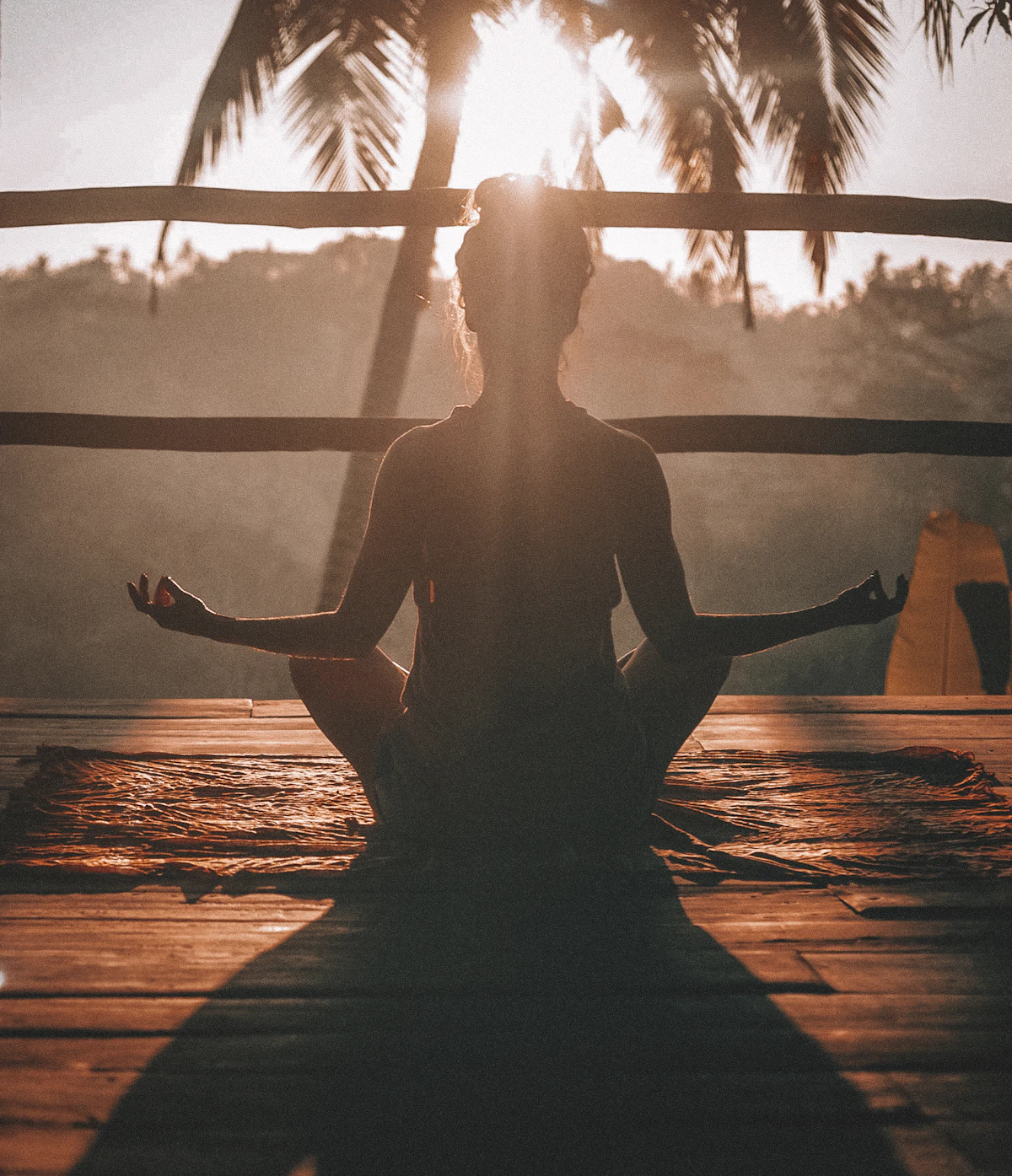
Benefits of Breathing Techniques

Breathing techniques offer a variety of wellness, mindfulness, and lifestyle benefits. Regular breathing exercises can help improve breath awareness, support relaxation, encourage focus, and contribute to overall well-being.

🧠 Mental Benefits

  • Improves focus and concentration
  • Supports mental clarity
  • Encourages present-moment awareness
  • Promotes mindfulness and attention
  • Supports a calm and balanced mindset

💚 Wellness Benefits

  • Encourages relaxation and calmness
  • Supports emotional well-being
  • Promotes greater self-awareness
  • Helps develop healthy breathing habits
  • Supports overall wellness routines

🌿 Lifestyle Benefits

  • Can be practiced almost anywhere
  • Supports healthy daily habits
  • May improve relaxation before sleep
  • Complements mindfulness and meditation
  • Contributes to overall quality of life

Popular Breathing Techniques

There are many breathing techniques that help develop breath awareness, relaxation, mindfulness, and overall well-being. Different methods focus on various breathing patterns and can be adapted to individual preferences and goals.

🌬 Deep Breathing

Deep breathing involves taking slow and intentional breaths to encourage relaxation, awareness, and a greater connection with the breath.

🫁 Diaphragmatic Breathing

Also known as belly breathing, this technique focuses on engaging the diaphragm and developing more natural and efficient breathing patterns.

📦 Box Breathing

Box breathing follows a structured rhythm of inhaling, holding, exhaling, and pausing for equal counts to support focus and breath control.

😌 Equal Breathing

Equal breathing involves matching the length of inhalation and exhalation to encourage balance, awareness, and steady breathing habits.

🧘 Mindful Breathing

Mindful breathing focuses attention on the natural flow of the breath and helps develop present-moment awareness and concentration.

🌿 Alternate Nostril Breathing

This traditional breathing practice involves alternating airflow between the nostrils and is commonly used in mindfulness and wellness routines.

How to Practice Breathing Techniques

Breathing techniques are simple practices that help individuals become more aware of their breathing patterns while encouraging relaxation, focus, mindfulness, and overall well-being. With regular practice, breathing exercises can become a valuable part of a healthy daily routine.

Most breathing techniques involve consciously observing and guiding the breath rather than allowing it to happen automatically. By paying attention to inhalation and exhalation, individuals can develop greater breath awareness and improve their connection with the present moment.

Breathing exercises can be practiced while sitting, standing, lying down, or even during everyday activities. Many people choose a quiet environment when learning breathing techniques, although they can often be practiced almost anywhere.

Benefits of Regular Breathing Practice

  • Improves breath awareness
  • Encourages relaxation and calmness
  • Supports focus and concentration
  • Promotes mindfulness and presence
  • Enhances self-awareness
  • Supports emotional balance
  • Encourages healthy breathing habits
  • Complements meditation and mindfulness practices
  • Can be practiced almost anywhere
  • Supports overall well-being

Basic Steps to Practice Breathing Techniques

  1. Find a Comfortable Position
  2. Relax Your Body and Shoulders
  3. Bring Attention to Your Breath
  4. Breathe Slowly and Naturally
  5. Observe Each Inhalation and Exhalation
  6. Maintain a Steady Breathing Rhythm
  7. Gently Return Focus if Distracted
  8. Practice Consistently Each Day

Many people combine breathing techniques with mindfulness, meditation, yoga, relaxation exercises, and wellness routines. Regular practice often helps develop greater awareness, consistency, and comfort with conscious breathing.

Breathing techniques are simple yet powerful wellness practices that can be adapted to different lifestyles and experience levels. With patience and regular practice, individuals can develop healthier breathing habits and a greater sense of balance in daily life.

Breathing Techniques for Different Goals

People practice breathing techniques for many different reasons. Whether the goal is relaxation, focus, mindfulness, better sleep, emotional balance, or overall wellness, breathing exercises can be adapted to support a variety of personal needs and daily routines.

😌 Breathing for Relaxation

Slow and mindful breathing exercises can help encourage calmness, relaxation, and a greater sense of balance during busy or demanding days.

🧠 Breathing for Focus

Breath awareness practices can help improve concentration, mental clarity, attention, and the ability to stay present during important tasks.

💤 Breathing for Better Sleep

Many people use gentle breathing exercises before bedtime as part of a relaxation routine that supports restful sleep and overall wellness.

🧘 Breathing for Mindfulness

Mindful breathing helps develop present-moment awareness by encouraging individuals to focus attention on the natural rhythm of the breath.

💚 Breathing for Emotional Balance

Regular breathing practices can support self-awareness, emotional well-being, and a more balanced response to everyday experiences.

🌿 Breathing for Daily Wellness

Simple breathing exercises can become part of a healthy lifestyle by supporting relaxation, mindfulness, awareness, and overall well-being.

Breathing Techniques Safety Tips

Breathing techniques are generally safe and accessible for most people when practiced gently and comfortably. Following simple guidelines can help individuals develop healthy breathing habits while supporting relaxation, mindfulness, and overall well-being.

Breathing exercises are most effective when practiced in a relaxed and comfortable manner. The goal is to develop greater breath awareness and healthy breathing patterns rather than forcing or controlling the breath excessively.

Different breathing techniques may feel different for each individual. It is important to choose breathing practices that feel natural, comfortable, and appropriate for your experience level and personal needs.

Important Safety Guidelines

  • Practice in a comfortable position.
  • Breathe naturally and gently.
  • Avoid forcing the breath.
  • Start with short practice sessions.
  • Maintain a relaxed posture.
  • Focus on comfort and awareness.
  • Practice in a calm environment when possible.
  • Progress gradually over time.
  • Stay patient with the learning process.
  • Listen to your body's signals.

Tips for Beginners

  • Begin with simple breathing exercises.
  • Focus on slow and steady breathing.
  • Practice for a few minutes each day.
  • Use guided breathing exercises if helpful.
  • Develop consistency gradually.
  • Combine breathing practices with mindfulness.

When to Pause or Modify Practice

  1. If you feel dizzy or lightheaded.
  2. If breathing becomes uncomfortable.
  3. If a technique feels overly difficult.
  4. If you experience unusual discomfort.
  5. If you need guidance from a qualified instructor.

Breathing techniques should feel comfortable, calming, and sustainable. With regular practice and a gentle approach, individuals can develop healthier breathing habits and greater awareness while supporting long-term wellness.

Breathing Techniques for Everyday Life

Breathing techniques can be incorporated into many daily situations and routines. Whether at work, school, home, or during personal activities, conscious breathing helps individuals develop greater awareness, focus, relaxation, and overall well-being.

💼 Breathing at Work

Simple breathing exercises can help individuals pause, refocus, and maintain awareness during busy workdays and professional responsibilities.

🎓 Breathing for Students

Students often practice breathing techniques to improve concentration, maintain focus, and develop greater awareness during learning activities.

🏠 Breathing at Home

Breathing exercises can easily become part of daily routines at home, supporting relaxation, mindfulness, and overall wellness.

😴 Breathing Before Sleep

Many people use gentle breathing practices before bedtime as part of a calming routine that encourages relaxation and restful sleep habits.

🚶 Breathing During Physical Activity

Conscious breathing can support movement awareness during walking, yoga, stretching, and other forms of physical activity.

🌿 Breathing for Daily Wellness

Regular breathing practices encourage mindfulness, self-awareness, relaxation, and healthy habits that support long-term well-being.

Common Breathing Technique Myths

Many people have misconceptions about breathing exercises and breath awareness practices. Understanding the facts can help individuals approach breathing techniques with realistic expectations and greater confidence.

❌ Myth: Breathing Exercises Are Only for Meditation

✅ Reality: Breathing techniques are used in wellness routines, physical activities, relaxation practices, mindfulness exercises, and everyday life.

❌ Myth: Deep Breathing Must Be Forceful

✅ Reality: Effective breathing exercises are generally gentle, comfortable, and controlled rather than forceful or strained.

❌ Myth: Results Happen Immediately

✅ Reality: Breathing awareness and healthy breathing habits typically develop gradually through regular and consistent practice.

❌ Myth: Breathing Techniques Require Special Training

✅ Reality: Many simple breathing exercises can be learned and practiced by beginners without specialized equipment.

❌ Myth: Only Adults Benefit From Breathing Exercises

✅ Reality: People of different ages can practice breathing techniques and develop greater breath awareness and mindfulness.

❌ Myth: Breathing Awareness Is Difficult to Learn

✅ Reality: Most people can begin developing breath awareness through simple observation and regular practice.

Frequently Asked Questions

Find answers to common questions about breathing techniques, breathing exercises, breath awareness, mindful breathing, relaxation, and wellness practices.

Breathing techniques are intentional breathing exercises that help develop breath awareness, relaxation, mindfulness, and overall well-being.

Breathing techniques help individuals become more aware of their breathing patterns and can support focus, relaxation, and healthy daily habits.

Yes. Many breathing techniques are beginner-friendly and can be practiced by people of different ages and experience levels.

Deep breathing is a technique that involves taking slow and intentional breaths to encourage relaxation and breath awareness.

Diaphragmatic breathing, often called belly breathing, focuses on engaging the diaphragm to encourage natural and efficient breathing patterns.

Mindful breathing involves paying attention to the natural flow of the breath while developing present-moment awareness.

Many people use breathing exercises as part of relaxation routines that encourage calmness, awareness, and overall well-being.

Regular breathing practices may help support concentration, attention, mindfulness, and mental clarity.

Many people practice breathing exercises daily. Consistent practice often helps develop greater breath awareness over time.

Yes. Most breathing exercises can be practiced at home, at work, while traveling, or during daily activities.

No. Most breathing techniques require no equipment and can be practiced almost anywhere.

Yes. Breathing techniques are often practiced alongside meditation, mindfulness, yoga, and relaxation exercises.

Box breathing is a structured breathing technique that follows equal counts for inhaling, holding, exhaling, and pausing.

Simple breathing exercises can be adapted for children to encourage awareness, focus, and healthy breathing habits.

You can explore breathing exercises, mindfulness practices, yoga programs, and wellness resources through Yoga Management.

Explore Breathing Techniques Resources

Discover breathing exercises, breath awareness practices, mindful breathing techniques, relaxation methods, and wellness resources designed to support focus, mindfulness, and overall well-being.

Find Wellness Centers

Start Practicing Breathing Techniques Today

Learn healthy breathing habits, improve breath awareness, develop mindfulness, and build simple daily practices that support long-term wellness and a more balanced lifestyle.

Explore Wellness Resources