Yoga Pose Guide • Virabhadrasana • Strength & Focus
Warrior Pose Benefits
A powerful standing pose that builds strength, stability, and focus. Here's a complete guide to Warrior Pose, its variations, benefits, and proper technique.
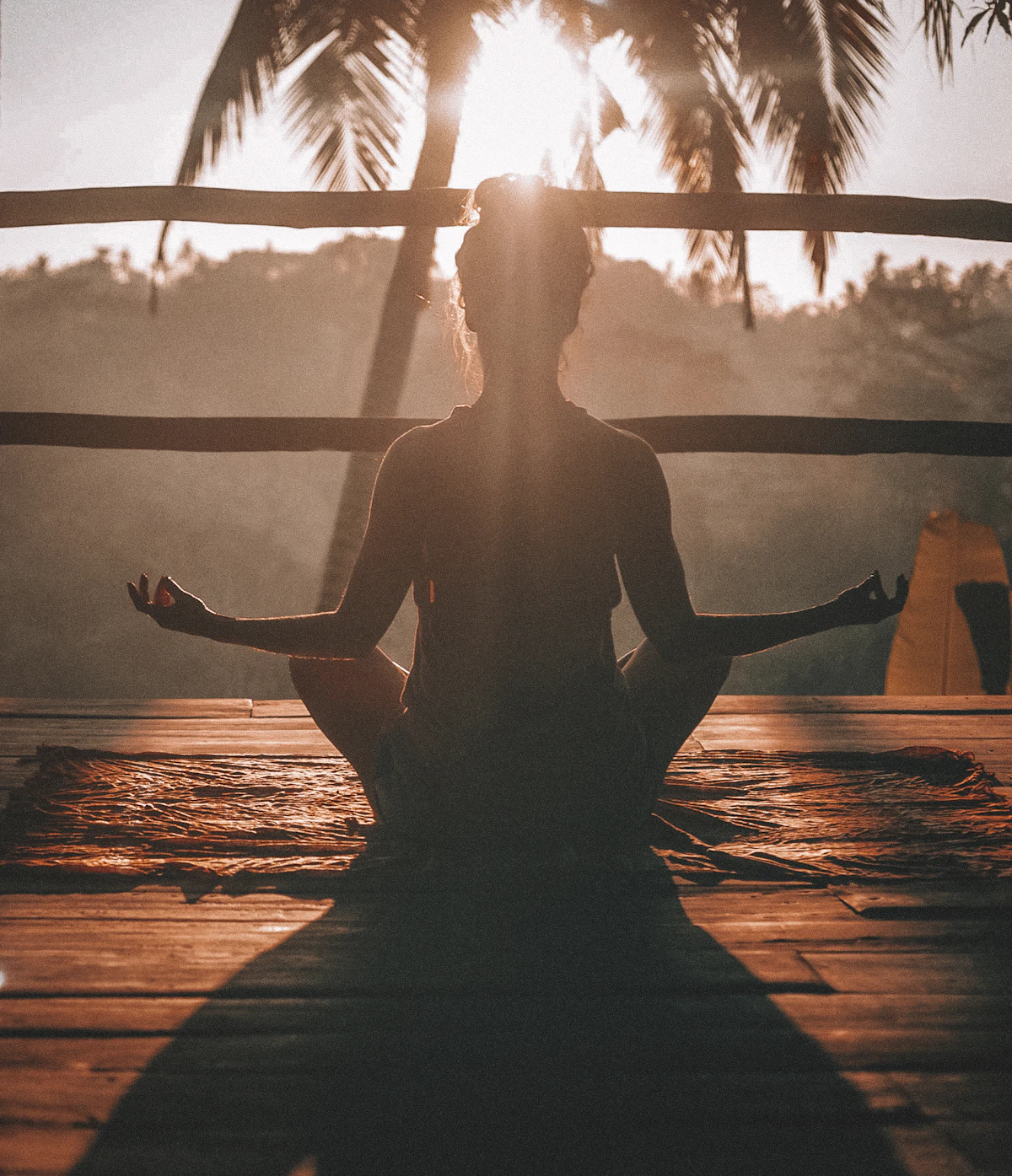
A powerful standing pose that builds strength, stability, and focus. Here's a complete guide to Warrior Pose, its variations, benefits, and proper technique.
Warrior Pose, known in Sanskrit as Virabhadrasana, is a family of powerful standing poses named after a legendary warrior figure from Hindu mythology.
Virabhadrasana — named after Virabhadra, a fierce warrior figure, symbolizing strength and determination.
A standing pose that builds strength, stability, and focus, commonly practiced in several distinct variations.
Warrior Pose appears in nearly every yoga style, valued for building both physical strength and mental focus.
Warrior Pose is typically practiced in three main variations, each with a slightly different focus and alignment.
While all three variations share the name Warrior Pose, each one offers a distinct experience and set of benefits. Understanding the differences can help you practice each variation with correct form.
A forward-facing pose with the back leg angled slightly, arms reaching overhead, building strength in the legs while opening the chest and hips.
A side-facing pose with arms extended parallel to the ground, building endurance in the legs while encouraging steady, focused breathing.
A balancing pose where the body forms a straight line parallel to the ground, standing on one leg, building core strength and stability.
Warrior I and Warrior II are typically the first variations introduced to beginners, forming the foundation for Warrior III.
Both poses begin from a standing position with a wide stance, but differ in the direction the torso and arms face.
In both poses, keeping the front knee aligned over the ankle, rather than collapsing inward, is important for protecting the knee joint.
Warrior Pose offers a wide range of physical and mental benefits, making it a valuable addition to nearly any yoga practice.
Warrior poses build significant strength in the thighs, calves, and glutes through sustained holds.
Especially in Warrior III, the pose challenges and improves overall balance and core stability.
Warrior I encourages an open chest position, which may support fuller, deeper breathing.
Holding a challenging standing pose encourages concentration and present-moment awareness.
The lunging position in Warrior poses helps stretch and open the hip flexors.
Many practitioners find that the strong, grounded stance of Warrior Pose builds a sense of confidence.
Warrior Pose can be adjusted to accommodate different flexibility levels, strength, and balance abilities.
Beginners can use a shorter stance to make the pose more manageable while gradually building strength and stability.
Practicing Warrior III near a wall can provide additional balance support while you become familiar with the pose.
Those with shoulder discomfort can keep their arms at shoulder height instead of reaching fully overhead.
A gentle variation that adds a side stretch and is often practiced as a flowing transition from Warrior II.
Practitioners can reduce the challenge by keeping more weight through the supporting foot and using a comfortable range of motion.
Moving slowly and focusing on comfortable alignment can help make Warrior variations more accessible during practice.
A few common mistakes can reduce the effectiveness of Warrior Pose or increase the risk of strain.
Because Warrior Pose involves significant lower-body engagement, proper alignment is especially important for protecting the knees and lower back.
If your front knee extends too far past your ankle, widening your stance slightly can help restore safer alignment.
While generally safe for most practitioners, certain conditions call for extra care or modification.
Those with knee injuries should practice with a shorter stance and pay close attention to comfortable alignment.
Those with hip injuries may benefit from a modified stance, reduced range of motion, or shorter hold time.
Warrior III in particular may require wall support or another stable surface for those with balance difficulties.
Pregnant practitioners, especially in later trimesters, may prefer a wider, more stable stance and appropriate modifications.
Those with ankle pain or instability should use a comfortable stance and avoid movements that cause discomfort.
If a pose causes pain, dizziness, or unusual discomfort, stop or modify the movement and seek guidance from a qualified professional when appropriate.
A few misconceptions about Warrior Pose are common, especially among beginners.
✅ Reality: A comfortable, safe bend that keeps the knee over the ankle matters more than a specific angle.
✅ Reality: Balance in Warrior III typically develops gradually with practice and can be supported with a wall.
✅ Reality: Each variation has a distinct alignment, focus, and set of benefits.
✅ Reality: Warrior Pose is commonly taught to beginners and builds strength gradually over time.
✅ Reality: The pose also engages the core, shoulders, and requires focused breathing and mental concentration.
✅ Reality: A shallower, well-aligned stance is generally safer than a deep stance with poor form.
Find answers to common questions about Warrior Pose.
Warrior Pose builds leg strength, balance, hip flexibility, and mental focus, making it a valuable standing pose.
Warrior I faces forward with arms overhead, Warrior II faces sideways with arms extended, and Warrior III is a balancing pose on one leg.
Yes, Warrior I and II are commonly taught to beginners, while Warrior III is often introduced once basic balance and strength are established.
This often results from the knee extending too far past the ankle; widening your stance can help correct alignment.
Many practitioners hold each variation for 5 to 10 breaths, though this can vary based on the sequence and personal comfort.
Yes, Warrior Pose is widely recognized for building strength in the legs, glutes, and core.
Yes, particularly Warrior III, which specifically challenges and builds balance and core stability.
Modified versions with a wider, more stable stance are often practiced during pregnancy, though it's best to consult a healthcare professional.
It's named after Virabhadra, a fierce warrior figure in Hindu mythology, symbolizing strength and determination.
The pose engages the thighs, calves, glutes, core, and shoulders, depending on the variation.
Yes, many practitioners include Warrior Pose variations in daily practice as they are generally considered safe for regular use.
Warrior III is specifically designed to challenge and improve balance and stability.
A slight bend is acceptable; avoid locking the knee fully to protect the joint.
Yes, the pose can help gradually improve hip flexibility, though a shorter stance may be more comfortable initially.
You can explore beginner-friendly poses and guides through Yoga Management.
Continue building your pose knowledge with a detailed guide to Child's Pose, a restorative counterpart to Warrior Pose.
Child's Pose BenefitsExplore more foundational poses and beginner guides to support a confident, well-rounded yoga practice.
Explore Yoga Poses