Yoga Questions • Wellness Answers • Healthy Living

Yoga FAQs

Find answers to frequently asked questions about yoga, meditation, pranayama, mindfulness, yoga poses, flexibility, wellness, and healthy lifestyle practices. Explore beginner-friendly guidance and helpful yoga resources in one place.
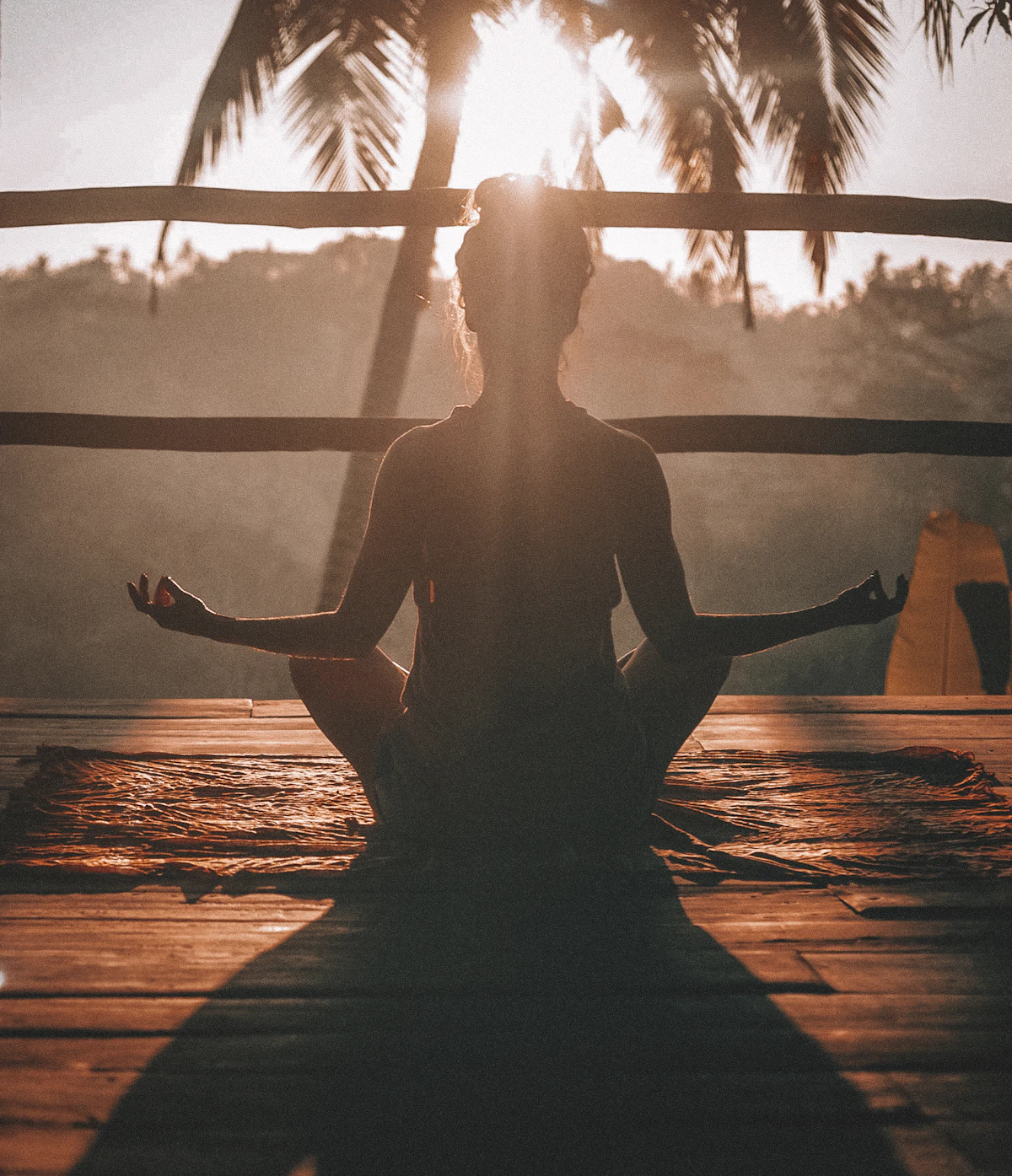
Yoga Frequently Asked Questions

About Yoga FAQs

Yoga covers a wide range of topics including yoga poses, meditation, pranayama, mindfulness, flexibility, wellness, and healthy living. This FAQ resource is designed to answer common questions and help individuals better understand different aspects of yoga and its role in overall well-being.

🧘 Yoga Basics Questions

Learn the fundamentals of yoga, including what yoga is, how it works, different styles of yoga, and how beginners can start practicing safely and confidently.

💚 Wellness & Benefits Questions

Explore frequently asked questions about the potential physical, mental, emotional, and lifestyle benefits associated with regular yoga practice.

🌿 Meditation & Mindfulness Questions

Find answers about meditation, breathing techniques, mindfulness practices, relaxation methods, and how these techniques are often combined with yoga.

Yoga Basics FAQs

Find answers to common beginner questions about yoga, yoga practice, yoga styles, and getting started with a healthy yoga routine.

Yoga is a practice that combines physical postures, breathing techniques, mindfulness, and relaxation methods to support overall well-being.

Yoga can be practiced by people of different ages, backgrounds, and fitness levels. Many yoga routines can be modified to suit individual needs.

Yes. Many yoga styles and beginner-friendly poses are specifically designed to help new practitioners learn gradually and comfortably.

No. Flexibility is not a requirement for starting yoga. Many people develop flexibility gradually through regular practice.

The frequency of practice depends on personal goals and schedules. Many people benefit from practicing yoga several times each week.

A yoga mat and comfortable clothing are often enough to begin. Additional props may be used for support and comfort when needed.

Yes. Many people practice yoga at home using online classes, guided sessions, or personal routines that fit their schedules.

Yoga poses are commonly referred to as asanas. Different asanas focus on flexibility, balance, strength, relaxation, and body awareness.

Yoga aims to promote balance between the body and mind while encouraging awareness, healthy movement, relaxation, and overall wellness.

Popular styles include Hatha Yoga, Vinyasa Yoga, Ashtanga Yoga, Yin Yoga, Restorative Yoga, and many other approaches to practice.

Yoga Benefits FAQs

Explore answers to common questions about the physical, mental, emotional, and lifestyle benefits associated with regular yoga practice.

Yoga may help improve flexibility, balance, mobility, body awareness, relaxation, mindfulness, and overall well-being.

Regular yoga practice often helps improve flexibility by gently stretching muscles, joints, and connective tissues over time.

Many yoga poses focus on stability and body awareness, which may help support balance and coordination.

Yoga is commonly practiced as part of a healthy lifestyle that includes physical activity, mindfulness, relaxation, and self-care habits.

Many people use yoga, breathing exercises, and mindfulness practices to encourage relaxation and support emotional balance.

Certain yoga poses may help improve body awareness, alignment, and posture when practiced consistently.

Yoga often includes movements and stretches that help maintain healthy joint mobility and range of motion.

Mindfulness and breathing practices used in yoga may help support concentration, awareness, and mental clarity.

Yes. Many individuals include yoga in their daily wellness routine to support flexibility, relaxation, and healthy habits.

Results vary from person to person. Consistent practice often provides the greatest long-term benefits for overall well-being.

Yoga Poses FAQs

Find answers to common questions about yoga poses, asanas, flexibility, posture, balance, and beginner-friendly yoga movements.

Yoga poses, also known as asanas, are physical postures practiced to support flexibility, balance, strength, mobility, and overall well-being.

There are hundreds of yoga poses, ranging from simple beginner-friendly postures to more advanced variations practiced in different yoga traditions.

Popular beginner poses include Mountain Pose, Child's Pose, Cat-Cow Stretch, Downward Facing Dog, Tree Pose, and Cobra Pose.

Regular practice of yoga poses may help improve flexibility, mobility, and range of motion over time.

Many standing and balancing poses help develop stability, coordination, body awareness, and overall balance.

No. Simple and beginner-friendly poses can provide meaningful benefits when practiced consistently and correctly.

The duration depends on the pose, experience level, and practice style. Many poses are held for several breaths before transitioning.

Yes. Many poses can be adjusted using props, supports, or simplified variations to suit different abilities and comfort levels.

Yoga poses help develop physical awareness, flexibility, mobility, balance, posture, and mindful movement.

Many people practice yoga poses daily as part of a balanced wellness routine that supports long-term health and well-being.

Meditation FAQs

Find answers to common questions about meditation, mindfulness, relaxation, awareness, focus, and meditation practices for beginners and experienced practitioners.

Meditation is a practice that involves focusing attention, developing awareness, and cultivating a calm and balanced state of mind.

Meditation may help support relaxation, mindfulness, focus, emotional balance, self-awareness, and overall well-being.

Yes. Meditation is suitable for beginners and can be practiced using simple breathing exercises, guided sessions, or mindfulness techniques.

Many beginners start by sitting comfortably, focusing on their breathing, and gently bringing attention back whenever the mind becomes distracted.

Even a few minutes of meditation can be beneficial. Many people gradually increase their practice time as they become more comfortable.

No. Meditation can be practiced almost anywhere without special equipment, although some people prefer using cushions, mats, or quiet spaces.

Mindfulness meditation focuses on present-moment awareness and observing thoughts, emotions, and sensations without unnecessary judgment.

Many people practice meditation to support concentration, mental clarity, attention, and awareness.

Meditation is often used as a relaxation practice that encourages calmness, mindful awareness, and emotional balance.

Yes. Many individuals practice meditation at home as part of a daily wellness routine that supports mindfulness and self-care.

Pranayama FAQs

Find answers to common questions about pranayama, breathing techniques, breath control practices, mindfulness, relaxation, and overall wellness.

Pranayama is the practice of conscious breathing techniques used in yoga to develop breath awareness, relaxation, mindfulness, and overall well-being.

Pranayama may help support relaxation, focus, mindfulness, emotional balance, breath awareness, and overall wellness.

Yes. Many pranayama techniques are beginner-friendly and can be learned gradually through regular practice and proper guidance.

Beginners often start with simple breathing exercises that focus on slow, steady, and mindful breathing patterns.

Popular pranayama practices include Anulom Vilom, Nadi Shodhana, Bhramari, Ujjayi, Sheetali, and Deep Breathing exercises.

Practice duration varies based on experience and goals. Many people begin with a few minutes daily and gradually increase their practice.

Yes. Many individuals include pranayama as part of their daily yoga, meditation, or wellness routine.

No. Pranayama focuses on breath regulation, while meditation focuses on awareness and attention. However, the two practices are often combined.

Many people practice pranayama to encourage calmness, relaxation, mindfulness, and a balanced state of mind.

Yes. One of the primary goals of pranayama is to develop greater awareness of breathing patterns and breath control.

No. Pranayama generally requires only a comfortable place to sit and a quiet environment for focused breathing practice.

Yes. Many people practice pranayama at home as part of their yoga, meditation, or mindfulness routine.

Mindfulness FAQs

Find answers to common questions about mindfulness, present-moment awareness, mindful living, focus, emotional well-being, and mindfulness practices.

Mindfulness is the practice of paying attention to the present moment with awareness, openness, and acceptance without unnecessary judgment.

Mindfulness may help improve focus, self-awareness, emotional balance, present-moment awareness, and overall well-being.

Yes. Mindfulness is suitable for beginners and can be practiced by people of different ages, backgrounds, and experience levels.

Many beginners start by focusing on their breathing, observing their thoughts, and paying closer attention to everyday activities.

Present-moment awareness refers to consciously paying attention to what is happening right now rather than focusing on the past or future.

Mindfulness and meditation are related but not identical. Meditation is a practice, while mindfulness is a quality of awareness that can be developed through meditation and daily activities.

Many people practice mindfulness to support relaxation, awareness, emotional balance, and a calmer response to everyday challenges.

Regular mindfulness practice may help improve concentration, attention, awareness, and mental clarity.

Mindful breathing involves paying attention to the natural rhythm of the breath to encourage awareness, focus, and relaxation.

Mindful living involves bringing awareness and intention to everyday activities, decisions, relationships, and experiences.

Yes. Many professionals use mindfulness practices to improve focus, productivity, communication, and overall workplace well-being.

Mindfulness can help students improve concentration, learning habits, self-awareness, and their ability to stay present during studies.

Mindfulness encourages active listening, empathy, patience, and awareness, which may help strengthen personal and professional relationships.

Many people practice mindfulness daily. Even a few minutes of mindful awareness each day can help build a consistent habit.

Yes. Mindfulness can be practiced at home through meditation, mindful breathing, mindful eating, journaling, and everyday awareness exercises.

Practice sessions can range from a few minutes to longer periods depending on personal goals, preferences, and experience levels.

Simple mindfulness exercises can be adapted for children to encourage awareness, focus, emotional balance, and healthy habits.

Regular mindfulness practice may support emotional awareness, resilience, self-understanding, and overall emotional well-being.

Consistent practice helps strengthen awareness skills and allows individuals to gradually experience the long-term benefits of mindfulness.

You can explore mindfulness resources, meditation programs, wellness guides, yoga practices, and mindfulness techniques through Yoga Management.

Yoga for Beginners FAQs

Find answers to common beginner questions about starting yoga, choosing yoga styles, building a routine, and developing confidence in your yoga practice.

Yes. Yoga is suitable for beginners and can be adapted to different fitness levels, ages, and experience levels.

Beginners often start with simple poses, basic breathing exercises, and short practice sessions to gradually build confidence and consistency.

Many beginners start with gentle styles such as Hatha Yoga, Beginner Yoga, or Gentle Flow Yoga because they focus on basic poses and proper technique.

No. Flexibility is not required to begin yoga. Regular practice may help improve flexibility over time.

Many beginners start with two to three sessions per week and gradually increase frequency as they become more comfortable.

A beginner session may last anywhere from 10 to 30 minutes, depending on personal goals, schedule, and comfort level.

Most beginners only need a yoga mat and comfortable clothing. Additional props may be used for support if desired.

Yes. Many beginners learn yoga at home through online classes, guided videos, yoga apps, and instructional resources.

Common beginner-friendly poses include Mountain Pose, Child's Pose, Cat-Cow Stretch, Cobra Pose, Tree Pose, and Seated Forward Bend.

Yes. Breathing awareness is an important part of yoga and helps support relaxation, focus, and mindful movement.

Many beginners enjoy practicing yoga daily through short and gentle sessions that fit comfortably into their routine.

Creating a regular schedule, setting realistic goals, and starting with manageable sessions can help build a sustainable yoga habit.

Yoga is commonly practiced as part of a healthy lifestyle that includes physical activity, mindfulness, relaxation, and self-care.

Beginners should avoid forcing poses, comparing themselves to others, and progressing too quickly beyond their comfort level.

You can explore beginner yoga guides, yoga poses, meditation resources, and wellness content through Yoga Management.

Yoga Safety FAQs

Find answers to common questions about yoga safety, proper practice, beginner precautions, comfort, and creating a safe and sustainable yoga routine.

Yoga is generally considered a safe activity for many individuals when practiced mindfully, within personal limits, and with proper guidance when needed.

Yes. Beginners can practice yoga safely by starting with simple poses, learning proper techniques, and progressing gradually.

Gentle warm-up movements can help prepare the body for yoga practice and improve comfort during different poses.

If a pose feels uncomfortable, modify the posture, reduce the intensity, or move into a more comfortable variation that suits your needs.

No. Yoga should be practiced with awareness and patience. It is important to respect your body's limits and avoid forcing movements.

Move slowly, maintain steady breathing, and focus on gentle progress rather than trying to achieve maximum flexibility immediately.

Yes. Breathing helps support focus, body awareness, relaxation, and smoother movement throughout a yoga practice.

Many people practice yoga daily. The intensity and duration of practice can be adjusted based on individual needs and comfort levels.

Yoga props such as blocks, straps, cushions, and bolsters can provide additional support and make poses more accessible.

Comfortable clothing that allows free movement is generally recommended for yoga practice.

Many yoga practices can be adapted for older adults with modifications that support comfort, balance, and mobility.

Maintaining proper hydration as part of a healthy lifestyle can support overall comfort and well-being during physical activities, including yoga.

Start gradually, practice consistently, focus on proper technique, listen to your body, and progress at a comfortable pace.

The most important safety tip is to practice mindfully, respect your personal limits, and focus on steady progress rather than perfection.

You can explore yoga guides, wellness resources, beginner yoga content, meditation practices, and mindfulness techniques through Yoga Management.

Explore Yoga Resources

Discover yoga poses, meditation practices, pranayama techniques, mindfulness exercises, wellness guides, and beginner-friendly resources designed to support flexibility, balance, relaxation, and overall well-being.

Find Yoga Centers

Start Your Yoga Journey Today

Learn yoga fundamentals, explore meditation and mindfulness practices, improve flexibility, and build healthy habits that support long-term wellness and a balanced lifestyle.

Explore Wellness Resources