One of the most recognizable poses in yoga, Downward Dog offers a full-body stretch and strengthening effect. Here's a complete guide to its benefits, proper technique, and precautions.
Downward Dog, known in Sanskrit as Adho Mukha Svanasana, is one of the most widely practiced poses in yoga, forming an inverted V-shape with the body.
Adho Mukha Svanasana â 'Adho Mukha' meaning downward-facing, and 'Svana' meaning dog.
A standing forward bend and mild inversion, commonly used as both a resting pose and a transitional posture.
Downward Dog appears in nearly every yoga style and sequence, making it one of the first poses most practitioners learn.
Downward Dog is typically practiced from a hands-and-knees position, gradually lifting the hips upward and back.
While the pose looks simple, proper alignment makes a meaningful difference in how effective and comfortable it feels. Moving into the pose slowly and mindfully helps you find the right form for your body.
It's completely normal for your heels not to touch the mat, especially as a beginner. Focus on lengthening the spine rather than forcing the heels down.
Downward Dog offers a wide range of physical benefits, making it a valuable pose for practitioners of nearly every level.
The pose engages the arms, shoulders, and upper back, helping to build functional strength over time.
Downward Dog stretches the hamstrings, calves, and Achilles tendons, supporting overall leg flexibility.
As a mild inversion, the pose gently decompresses the spine and encourages length through the back.
With the head positioned below the heart, the pose may support gentle circulation throughout the body.
As a weight-bearing pose, Downward Dog helps build strength and stability in the wrists and hands.
Many practitioners use Downward Dog as a brief resting pose within a sequence to reset the breath.
Small adjustments in alignment can make Downward Dog feel significantly more comfortable and effective.
Many beginners rush to straighten their legs fully or press their heels to the floor, which can compromise the length of the spine. Prioritizing a long spine over a "perfect-looking" shape generally leads to a safer, more effective pose.
If the pose feels uncomfortable in the wrists or shoulders, using a folded blanket under the hands or slightly walking the feet closer to the hands can help.
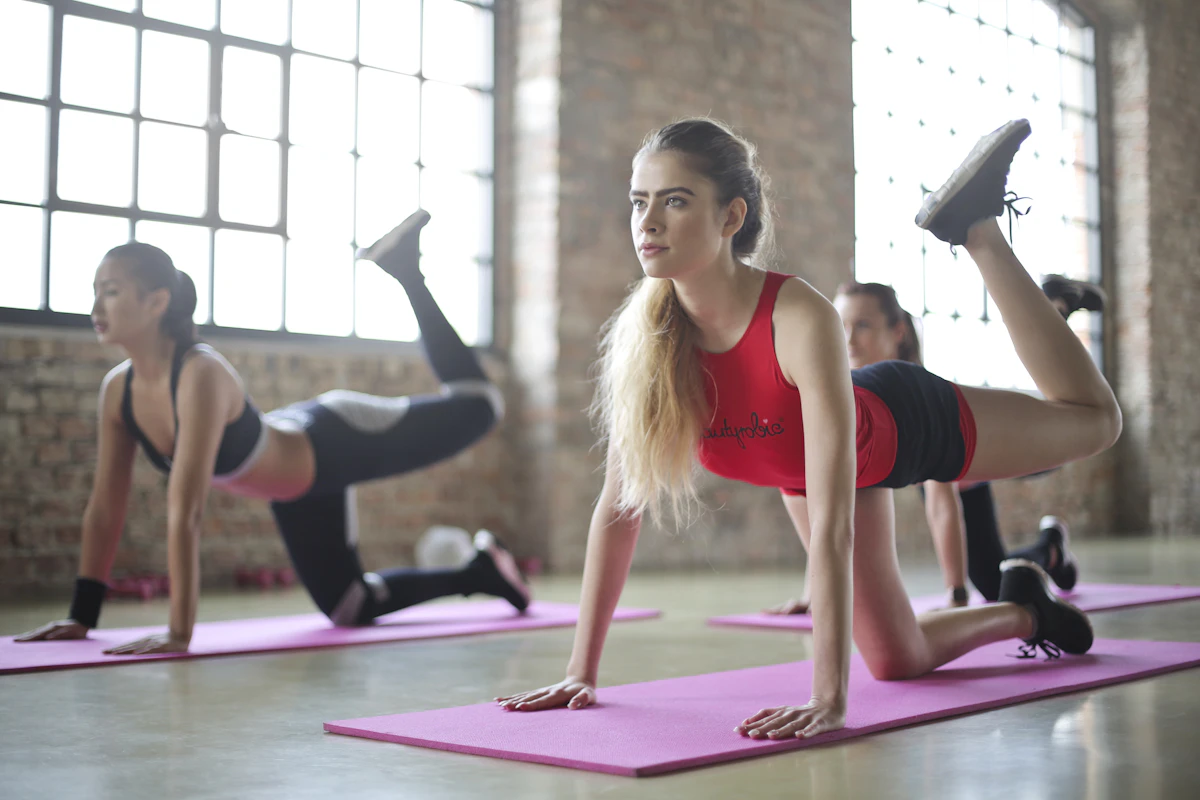
Downward Dog can be adjusted to suit different comfort levels, flexibility, and physical needs.
Placing a block under the hands can provide additional support and may make the position more comfortable for some practitioners.
Keeping the knees softly bent can shift the focus toward lengthening the spine rather than trying to straighten the legs.
A gentler variation with the knees on the ground offers a similar upper-body and spinal stretch with less weight on the wrists.
Lifting one leg while maintaining the position adds a balance and hip-opening element for practitioners who are comfortable with the movement.
Using a stable support when needed can help practitioners explore the movement with greater comfort and control.
Moving slowly and adjusting the range of motion can make the pose more approachable when building familiarity with the practice.
A few common mistakes can reduce the effectiveness of Downward Dog or lead to unnecessary strain.
Being aware of these common issues can help you get more out of the pose while keeping your practice comfortable and safe.
If you notice any of these patterns, it's completely fine to adjust your stance, bend your knees more, or shorten your hold time as you build strength and flexibility.
While generally safe for most practitioners, a few situations call for extra care or modification.
Those with wrist pain or existing wrist conditions may want to use a modified hand position, supportive props, or seek guidance from a qualified professional.
Because Downward Dog involves the head below the heart, people with certain blood pressure conditions should seek professional guidance before practicing.
Pregnant practitioners, especially during later stages of pregnancy, may benefit from appropriate modifications and guidance from a qualified prenatal yoga instructor.
Those with shoulder pain or injuries should approach the pose carefully and consider professional guidance before placing weight through the arms.
Practitioners with limited mobility may benefit from gentle modifications that reduce strain and allow the pose to be practiced comfortably.
Stop or modify the pose if you experience pain, dizziness, or unusual discomfort, and seek appropriate professional advice when needed.
A few misconceptions about Downward Dog are common, especially among beginners.
â Reality: Many practitioners never fully touch their heels down, and that's completely normal.
â Reality: A slight bend in the knees is often more beneficial than forcing straight legs at the cost of spinal length.
â Reality: Downward Dog actively builds strength in the arms, shoulders, and core, beyond just resting.
â Reality: Downward Dog is commonly taught to complete beginners and can be modified as needed.
â Reality: Building comfort in the pose often takes consistent practice over time.
â Reality: Individual body proportions and flexibility mean the pose can look different from person to person.
Find answers to common questions about Downward Dog Pose.
Downward Dog supports upper body strength, leg flexibility, spinal length, and gentle circulation, making it a valuable full-body pose.
Yes, this is very common, especially for beginners or those with tighter hamstrings and calves.
Many practitioners hold the pose for 5 to 10 breaths, though this can vary based on the sequence and personal comfort.
Yes, Downward Dog is commonly taught to beginners and can be modified using bent knees or props as needed.
Modified versions are often practiced during pregnancy, though it's best to consult a healthcare professional or prenatal yoga instructor.
This often happens when the hamstrings are tight; bending the knees slightly can help maintain a straighter spine.
Many practitioners find that Downward Dog helps lengthen and decompress the spine, though those with existing back conditions should consult a professional.
Yes, it's considered a mild inversion since the head is positioned below the heart.
The pose engages the shoulders, arms, core, hamstrings, and calves.
This can result from placing too much weight on the palms; spreading the fingers wide and pressing through the knuckles can help distribute weight more evenly.
Yes, many practitioners include Downward Dog in daily practice as it's generally considered safe for regular use.
Puppy Pose keeps the knees on the ground with the hips lower, offering a gentler variation of the stretch found in Downward Dog.
Yes, especially if straightening the legs causes the back to round; a bent-knee variation is a valid and often recommended approach.
It can serve as both â a brief resting point between more active poses, while still engaging the arms, shoulders, and core.
You can explore beginner-friendly poses and guides through Yoga Management.
Continue building your pose knowledge with a detailed guide to Warrior Pose and its benefits.
Warrior Pose BenefitsExplore more foundational poses and beginner guides to support a confident, well-rounded yoga practice.
Explore Yoga Poses