Stress Relief • Mindfulness • Mental Wellness

Yoga for Stress Relief

Discover how yoga for stress relief can help calm the mind, relax the body, and support emotional well-being. Explore gentle yoga poses, breathing techniques, mindfulness practices, and daily habits that promote relaxation, improve focus, and encourage a healthier response to everyday stress.

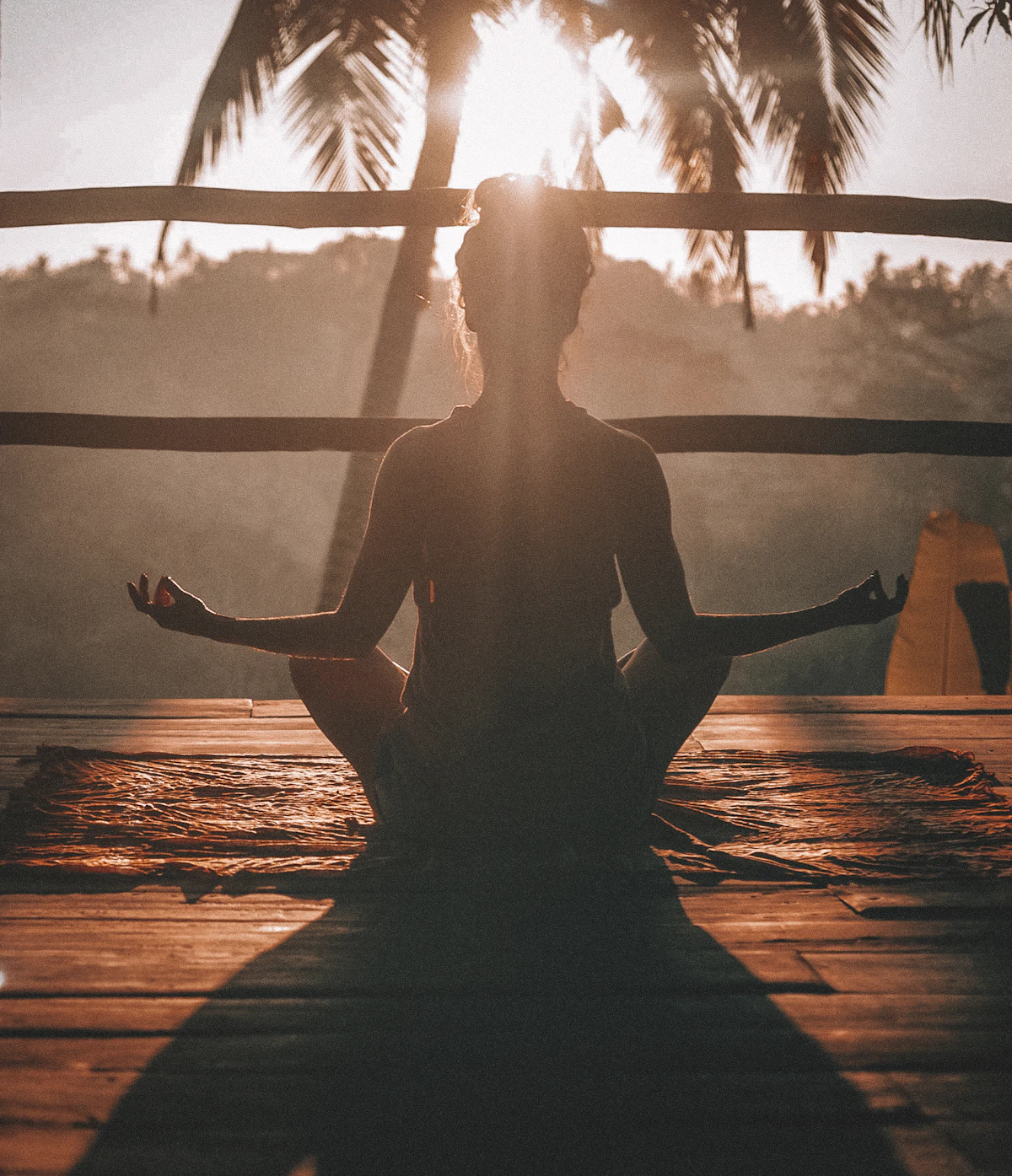
Person Practicing Yoga for Stress Relief

What is Yoga for Stress Relief?

Yoga for stress relief is a gentle and mindful approach to yoga that combines physical postures, controlled breathing, relaxation techniques, and meditation to help manage everyday stress. Rather than focusing solely on flexibility or physical fitness, this style of practice encourages a stronger connection between the body and mind, helping individuals develop greater awareness, emotional balance, and a sense of calm. Suitable for beginners as well as experienced practitioners, yoga for stress relief can be adapted to different ages, fitness levels, and lifestyles, making it an accessible wellness practice for daily life.

🧘 Promotes Relaxation & Mindfulness

Gentle yoga movements combined with mindful breathing encourage the body to relax and help bring attention to the present moment. Regular practice can support emotional balance while creating a peaceful break from the demands of everyday life.

🌿 Releases Physical Tension

Stress can often lead to tight muscles and physical discomfort. Stretching-based yoga poses help improve mobility, encourage relaxation, and promote greater comfort in areas such as the neck, shoulders, back, and hips.

💚 Supports Overall Well-Being

A consistent yoga practice encourages healthy lifestyle habits, mindful breathing, and better body awareness. Combined with adequate rest, balanced nutrition, and regular physical activity, yoga can become an important part of a long-term wellness routine.

Importance of Yoga for Stress Relief

Stress has become a common part of modern life, affecting people of all ages and lifestyles. Work responsibilities, academic pressure, family commitments, financial concerns, and constant exposure to digital devices can all contribute to mental and physical strain. Yoga for stress relief provides a holistic approach to wellness by combining gentle movement, mindful breathing, relaxation, and meditation to help individuals develop healthier ways of responding to everyday challenges.

One of the key reasons yoga is valued for stress management is its ability to encourage both physical and mental relaxation. Gentle stretching and mindful movement help release muscular tension that often develops in areas such as the neck, shoulders, back, and hips, while controlled breathing encourages a calmer and more focused state of mind.

Unlike high-intensity workouts that primarily focus on physical performance, yoga emphasizes the connection between the body and mind. Practicing with awareness helps individuals slow down, improve concentration, and become more present in the moment. This mindful approach supports emotional well-being and encourages healthier daily habits.

Regular yoga practice also promotes better body awareness. Learning to recognize physical tension, breathing patterns, and emotional responses allows practitioners to make more mindful choices throughout the day. Over time, this increased awareness can contribute to a greater sense of balance and resilience during everyday situations.

Another important advantage of yoga for stress relief is its flexibility. Sessions can be adapted to suit different ages, fitness levels, schedules, and personal preferences. Whether practiced for a few minutes at home or as part of a guided class, yoga can easily become a sustainable part of a daily wellness routine.

Yoga also complements other healthy lifestyle practices such as regular physical activity, balanced nutrition, adequate sleep, and mindfulness. When combined with these positive habits, it supports overall well-being and encourages a more balanced approach to health rather than focusing on a single aspect of fitness.

By practicing consistently with proper guidance and realistic expectations, individuals can build a long-term wellness routine that promotes relaxation, body awareness, mental clarity, and emotional balance. This is why yoga continues to be recognized around the world as an effective practice for supporting stress management and overall quality of life.
Benefits of Yoga for Stress Relief

Yoga for stress relief offers a balanced approach to improving both mental and physical well-being. Through a combination of gentle yoga poses, mindful breathing, relaxation techniques, and meditation, regular practice can help individuals manage everyday stress while supporting a healthier lifestyle. Whether practiced for a few minutes each day or as part of a structured wellness routine, yoga encourages long-term physical, emotional, and mental wellness.

🧘 Mental & Emotional Benefits

  • Promotes relaxation and a greater sense of calm
  • Encourages mindfulness and present-moment awareness
  • Supports emotional balance and resilience
  • Helps improve focus and mental clarity
  • Encourages healthy stress management habits

💪 Physical Wellness Benefits

  • Helps release muscle tension and stiffness
  • Improves flexibility and overall mobility
  • Supports healthy posture and body alignment
  • Encourages gentle full-body movement
  • Contributes to overall physical well-being

🌿 Lifestyle Benefits

  • Develops a consistent daily wellness routine
  • Complements meditation and breathing exercises
  • Suitable for beginners and experienced practitioners
  • Can be practiced at home or in yoga classes
  • Supports a balanced and healthy lifestyle

Best Yoga Poses for Stress Relief

Certain yoga poses are especially effective for encouraging relaxation, improving body awareness, and releasing physical tension that can build up during stressful days. When combined with slow breathing and mindful movement, these poses can help create a calming yoga practice suitable for beginners as well as experienced practitioners.

👶 Child's Pose (Balasana)

Child's Pose is a gentle resting posture that encourages relaxation while stretching the back, hips, and shoulders. It is commonly practiced to create a sense of calm and comfort during yoga sessions.

🐱 Cat-Cow Stretch (Marjaryasana-Bitilasana)

This flowing movement improves spinal mobility while helping release tension from the neck, shoulders, and back. Coordinating each movement with the breath encourages mindful relaxation.

🦋 Butterfly Pose (Baddha Konasana)

Butterfly Pose gently stretches the hips and inner thighs while promoting relaxation. It is often included in calming yoga routines because of its comfortable and restorative nature.

🧘 Legs-Up-the-Wall Pose (Viparita Karani)

This restorative pose allows the body to rest while encouraging relaxation and mindful breathing. It is frequently practiced at the end of yoga sessions to promote a sense of calm.

🐍 Cobra Pose (Bhujangasana)

Cobra Pose gently opens the chest, stretches the front of the body, and supports healthy posture. Practicing the pose with controlled breathing encourages greater body awareness and relaxation.

🧎 Seated Forward Bend (Paschimottanasana)

This gentle forward fold stretches the back, hamstrings, and spine while encouraging slower breathing and mindfulness. It is commonly included in yoga practices designed to promote relaxation.

🌿 Corpse Pose (Savasana)

Savasana is traditionally practiced at the end of a yoga session to allow the body and mind to rest. Remaining still while breathing naturally helps integrate the benefits of the practice and encourages deep relaxation.

🌸 Easy Pose (Sukhasana)

Easy Pose provides a comfortable seated position for mindful breathing and meditation. It encourages an upright posture while helping practitioners focus on relaxation and present-moment awareness.

🌬️ Standing Forward Bend (Uttanasana)

Standing Forward Bend gently stretches the back, legs, and shoulders while encouraging deep, steady breathing. Many practitioners include this pose in stress-relief yoga routines to release physical tension, promote relaxation, and cultivate a greater sense of calm.

How to Practice Yoga for Stress Relief Safely

Yoga for stress relief is most effective when practiced in a calm, comfortable, and mindful way. Unlike vigorous forms of exercise, stress-relief yoga focuses on gentle movement, controlled breathing, and relaxation rather than physical intensity. Practicing at your own pace while listening to your body's signals helps create a safe and enjoyable experience for beginners and experienced practitioners alike.

Choose a quiet space where you can practice without interruptions. Wear comfortable clothing that allows free movement and use a yoga mat or another stable surface for support. Creating a peaceful environment can help you concentrate on your breathing and make the practice more relaxing.

Move slowly through each yoga pose and avoid forcing stretches or uncomfortable positions. Focus on smooth, natural breathing throughout your practice, allowing your breath to guide each movement. The objective is to encourage relaxation and body awareness rather than achieving perfect flexibility.

Best Practices for Yoga for Stress Relief

  • Practice in a quiet and comfortable environment.
  • Wear loose, comfortable clothing that allows unrestricted movement.
  • Begin with gentle stretching before moving into yoga poses.
  • Breathe slowly and naturally throughout your practice.
  • Move mindfully without rushing from one pose to another.
  • Avoid forcing stretches beyond your comfort level.
  • Include relaxation or meditation at the end of your session.
  • Stay hydrated before and after your practice.
  • Practice regularly to build a sustainable wellness routine.
  • Seek guidance from a qualified yoga instructor if you are unsure about proper technique.

Simple Steps for Beginners

  1. Choose a peaceful place with minimal distractions.
  2. Start with a few minutes of deep breathing.
  3. Practice gentle yoga poses at a comfortable pace.
  4. Focus on coordinating each movement with your breath.
  5. Rest whenever your body needs a break.
  6. Finish your session with Savasana or quiet meditation.
  7. Practice for 15–30 minutes based on your comfort level.
  8. Maintain consistency instead of focusing on long sessions.

Yoga for stress relief is most beneficial when practiced consistently with patience and realistic expectations. Combining yoga with healthy lifestyle habits such as adequate sleep, balanced nutrition, regular physical activity, and mindfulness can support overall physical and emotional well-being.

If you have a medical condition, recent injury, chronic pain, or concerns about beginning a new exercise routine, consult a qualified healthcare professional or certified yoga instructor before starting yoga practice.

Yoga for Stress Relief for Different Goals

People turn to yoga for stress relief for many different reasons. Whether your goal is to relax after a busy day, improve emotional well-being, enhance sleep quality, increase mindfulness, or develop healthier daily habits, yoga offers flexible practices that can be adapted to your lifestyle. Regular practice encourages a balanced approach to both physical and mental wellness while supporting long-term stress management.

🌿 Yoga for Daily Stress Management

Gentle yoga combined with mindful breathing can help you unwind after work, studies, or daily responsibilities. Regular practice encourages relaxation and supports healthier responses to everyday stress.

🧘 Yoga for Mindfulness & Mental Clarity

Mindful yoga practices encourage present-moment awareness by combining slow movements with controlled breathing. This approach helps improve concentration, mental clarity, and emotional balance.

😴 Yoga for Better Relaxation

Relaxing yoga poses performed in the evening can help calm the body and mind after a busy day. Many people include gentle stretching and breathing exercises as part of a peaceful bedtime routine.

💼 Yoga for Workplace Stress

Working professionals often use short yoga sessions to reduce physical tension caused by prolonged sitting while creating a healthy balance between work responsibilities and personal well-being.

💚 Yoga for Overall Wellness

Yoga supports a holistic approach to wellness by combining movement, breathing, mindfulness, and relaxation. When practiced consistently, it complements other healthy habits such as regular exercise, balanced nutrition, and quality sleep.

🏡 Yoga for a Healthy Daily Routine

Because yoga requires very little equipment and can be practiced almost anywhere, it is easy to incorporate into a daily wellness routine. Even 15–20 minutes of regular practice can encourage consistency and long-term healthy lifestyle habits.

Yoga for Stress Relief Safety Tips

Yoga for stress relief is generally a gentle and accessible practice, but following proper techniques and respecting your body's limits is essential for a safe and enjoyable experience. The goal is to create relaxation through mindful movement, controlled breathing, and comfortable stretching rather than physical intensity. Practicing with patience and awareness can help you build a sustainable wellness routine while minimizing the risk of discomfort or injury.

Stress-relief yoga emphasizes slow, deliberate movements and relaxed breathing. Rather than pushing yourself into deeper stretches, focus on maintaining comfortable postures that allow you to breathe naturally. Listening to your body is an important part of every yoga session.

If you are new to yoga, learning from a certified yoga instructor can help you understand proper alignment, breathing techniques, and pose modifications. Good technique promotes comfort, confidence, and a more effective practice.

Essential Safety Tips

  • Practice in a quiet, comfortable, and well-ventilated space.
  • Wear loose clothing that allows unrestricted movement.
  • Use a yoga mat or another stable, non-slip surface.
  • Move slowly and avoid forcing any stretch or posture.
  • Coordinate each movement with calm, natural breathing.
  • Maintain proper posture and body alignment.
  • Take breaks whenever you feel tired or uncomfortable.
  • Stay hydrated before and after your yoga session.
  • End your practice with Savasana, meditation, or deep breathing.
  • Stop immediately if you experience pain, dizziness, or unusual discomfort.

Tips for Beginners

  • Start with simple yoga poses and short sessions.
  • Practice for 15–20 minutes at a comfortable pace.
  • Focus on relaxation rather than flexibility.
  • Learn breathing techniques before attempting advanced poses.
  • Use yoga props if additional support is needed.
  • Build consistency by practicing regularly instead of for long durations.

Who Should Take Extra Care?

  1. People recovering from recent injuries or surgery.
  2. Individuals with chronic joint, back, or neck conditions.
  3. Those with medical conditions that affect movement or balance.
  4. Pregnant individuals should seek guidance from their healthcare provider and a qualified prenatal yoga instructor before practicing.
  5. Anyone experiencing persistent pain or discomfort during yoga should stop and consult a qualified healthcare professional.

Yoga for stress relief should leave you feeling calm, refreshed, and comfortable. Practicing with proper guidance, mindful breathing, and realistic expectations allows you to enjoy the long-term benefits of yoga while supporting both physical and emotional well-being.

Who Can Practice Yoga for Stress Relief?

Yoga for stress relief is a gentle and adaptable practice that can benefit people of different ages, fitness levels, and lifestyles. Whether you are looking to unwind after a busy day, improve emotional well-being, or build a healthier daily routine, stress-relief yoga can be modified to match your individual comfort and experience. Practicing with proper guidance and mindful awareness helps create a safe, relaxing, and sustainable wellness routine.

🌱 Beginners

People who are new to yoga can begin with simple poses, breathing exercises, and short guided sessions. Starting slowly helps build confidence while developing body awareness and relaxation techniques.

💼 Working Professionals

Professionals experiencing workplace pressure or long hours at a desk can use yoga to release physical tension, improve posture, and create a healthier balance between work and personal well-being.

🎓 Students

Students can include stress-relief yoga in their daily routine to encourage relaxation, improve concentration, and create mindful study habits while maintaining overall physical and emotional wellness.

👨‍👩‍👧 Adults of Different Ages

Healthy adults of various ages can practice yoga for stress relief by choosing poses and session lengths that match their fitness level. Gentle routines make yoga accessible to a wide range of individuals.

🧘 Regular Yoga Practitioners

Experienced practitioners often include stress-relief yoga alongside meditation, pranayama, and restorative yoga sessions to promote relaxation, mindfulness, and overall well-being.

❤️ Individuals with Medical Conditions

People with chronic health conditions, recent injuries, or mobility limitations should consult a qualified healthcare professional or certified yoga instructor before beginning a new yoga practice. Personalized guidance can help ensure a safe and appropriate routine.

Common Yoga for Stress Relief Myths

Yoga for stress relief has become increasingly popular, but several misconceptions still prevent people from experiencing its benefits. Understanding the facts can help individuals approach yoga with realistic expectations and develop a sustainable practice that supports both mental and physical well-being.

❌ Myth: Yoga for Stress Relief Is Only Meditation

Reality: While meditation is an important part of yoga, stress-relief yoga also includes gentle physical postures, breathing exercises, stretching, and relaxation techniques that work together to promote overall well-being.

❌ Myth: You Must Be Flexible to Practice Yoga

Reality: Flexibility develops gradually with consistent practice. Yoga for stress relief is suitable for beginners, and poses can be modified to match individual comfort and ability.

❌ Myth: Longer Yoga Sessions Are Always Better

Reality: Even a 15–20 minute yoga session can encourage relaxation and mindfulness. Consistency is generally more beneficial than practicing for long periods occasionally.

❌ Myth: Stress Relief Yoga Is Only for People Under Stress

Reality: Anyone can practice yoga for stress relief. Regular sessions can support relaxation, emotional balance, and overall wellness, even during relatively calm periods.

❌ Myth: Yoga Alone Solves Every Stress-Related Problem

Reality: Yoga is one part of a healthy lifestyle. It works best alongside adequate sleep, balanced nutrition, regular physical activity, healthy relationships, and professional support when needed.

❌ Myth: There Is Only One Correct Way to Practice

Reality: Yoga for stress relief can be adapted to different ages, fitness levels, and lifestyles. Gentle modifications and personalized routines often make the practice safer, more comfortable, and more enjoyable.

Frequently Asked Questions

Find answers to common questions about yoga for stress relief, including its benefits, relaxation techniques, beginner tips, breathing exercises, and safe daily practice.

Yoga for stress relief is a gentle style of yoga that combines physical postures, breathing exercises, mindfulness, and relaxation techniques to promote emotional balance and overall well-being.

Yoga encourages relaxation through mindful movement, controlled breathing, and meditation. Regular practice may help reduce physical tension, improve focus, and support a calmer state of mind.

Yes. Beginners can start with simple yoga poses, breathing techniques, and short guided sessions. Gentle practice helps build confidence while promoting relaxation and body awareness.

Yoga for stress relief can be practiced at any time of the day. Many people prefer morning sessions to begin the day calmly or evening sessions to unwind after work and daily activities.

Popular stress-relief poses include Child's Pose, Cat-Cow Stretch, Butterfly Pose, Legs-Up-the-Wall Pose, Cobra Pose, Seated Forward Bend, and Savasana.

Regular yoga practice encourages mindfulness, relaxation, and greater self-awareness, which can support emotional balance and overall mental wellness as part of a healthy lifestyle.

Yes. Controlled breathing is an important part of yoga for stress relief. Deep, steady breathing supports relaxation, concentration, and a stronger connection between the body and mind.

Yes. Yoga for stress relief requires very little space or equipment. A quiet environment, comfortable clothing, and a yoga mat are usually enough for home practice.

Many people benefit from practicing for 15 to 30 minutes each day. Even shorter sessions can encourage relaxation and help establish a consistent wellness routine.

Gentle evening yoga, mindful breathing, and relaxation practices may help prepare the body and mind for restful sleep as part of a healthy bedtime routine.

No. Most yoga sessions only require a yoga mat and comfortable clothing. Optional props such as yoga blocks, cushions, or straps can provide additional support if needed.

Individuals with recent injuries, chronic medical conditions, mobility limitations, or pregnancy should consult a qualified healthcare professional or certified yoga instructor before beginning a new yoga practice.

Yoga is a complementary wellness practice and should not replace professional medical or mental health care. Individuals experiencing persistent or severe stress should seek advice from a qualified healthcare professional.

Yes. Yoga can be adapted for children, adults, and older adults by selecting appropriate poses and modifying the practice according to individual ability and health status.

You can explore certified yoga teachers, yoga studios, wellness centers, and yoga training programs through Yoga Management to learn safe and effective yoga practices for stress relief.

Discover the Benefits of Yoga for Stress Relief

Explore calming yoga poses, mindful breathing techniques, relaxation practices, and expert wellness resources designed to help you manage everyday stress, improve emotional well-being, and build a healthier, more balanced lifestyle.

Find Yoga Centers

Start Your Yoga for Stress Relief Journey Today

Learn gentle yoga poses, breathing exercises, mindfulness techniques, and relaxation practices that support stress management, mental clarity, and long-term well-being. Connect with experienced yoga teachers and trusted wellness centers through Yoga Management.

Explore Yoga Resources