Explore meditation techniques, mindfulness practices, guided meditation, breath awareness exercises, and relaxation methods that support focus, inner peace, emotional balance, and overall well-being.
Meditation is a practice that helps cultivate awareness, focus, mindfulness, and inner peace. It involves training the mind to observe thoughts, emotions, and sensations with greater clarity while encouraging relaxation and mental balance.
Meditation helps individuals become more aware of their thoughts, emotions, and surroundings while encouraging presence in the current moment.
Regular meditation practice may improve concentration, focus, self-awareness, and the ability to manage distractions more effectively.
Meditation encourages relaxation, emotional balance, stress management, and a greater sense of overall well-being in daily life.
Meditation has been practiced for thousands of years and is one of the oldest methods for cultivating mindfulness, self-awareness, concentration, and inner peace. It has played an important role in various spiritual, philosophical, and wellness traditions around the world.
The origins of meditation can be traced back to ancient India, where it developed as an important component of yoga and contemplative practices. Ancient texts describe meditation as a way to train the mind, deepen awareness, and promote harmony between thoughts, emotions, and actions.
Over time, meditation spread across different cultures and regions, evolving into a variety of techniques and approaches. While some traditions emphasize spiritual growth, many modern meditation practices focus on mindfulness, relaxation, concentration, and overall well-being.
Today, meditation is practiced by millions of people worldwide as part of a healthy lifestyle. It is commonly used to support mental clarity, emotional balance, stress management, and personal development.
One of the most important aspects of meditation is its ability to encourage present-moment awareness. Rather than focusing on the past or worrying about the future, meditation helps individuals become more aware of their thoughts, feelings, and experiences as they occur.
Meditation is often practiced alongside yoga, pranayama, and mindfulness exercises to create a balanced approach to physical, mental, and emotional wellness. Even a few minutes of regular meditation can help cultivate greater awareness and inner calm.
Whether practiced for relaxation, mindfulness, self-discovery, concentration, or personal growth, meditation continues to be one of the most valuable wellness practices and remains relevant in today's fast-paced world.
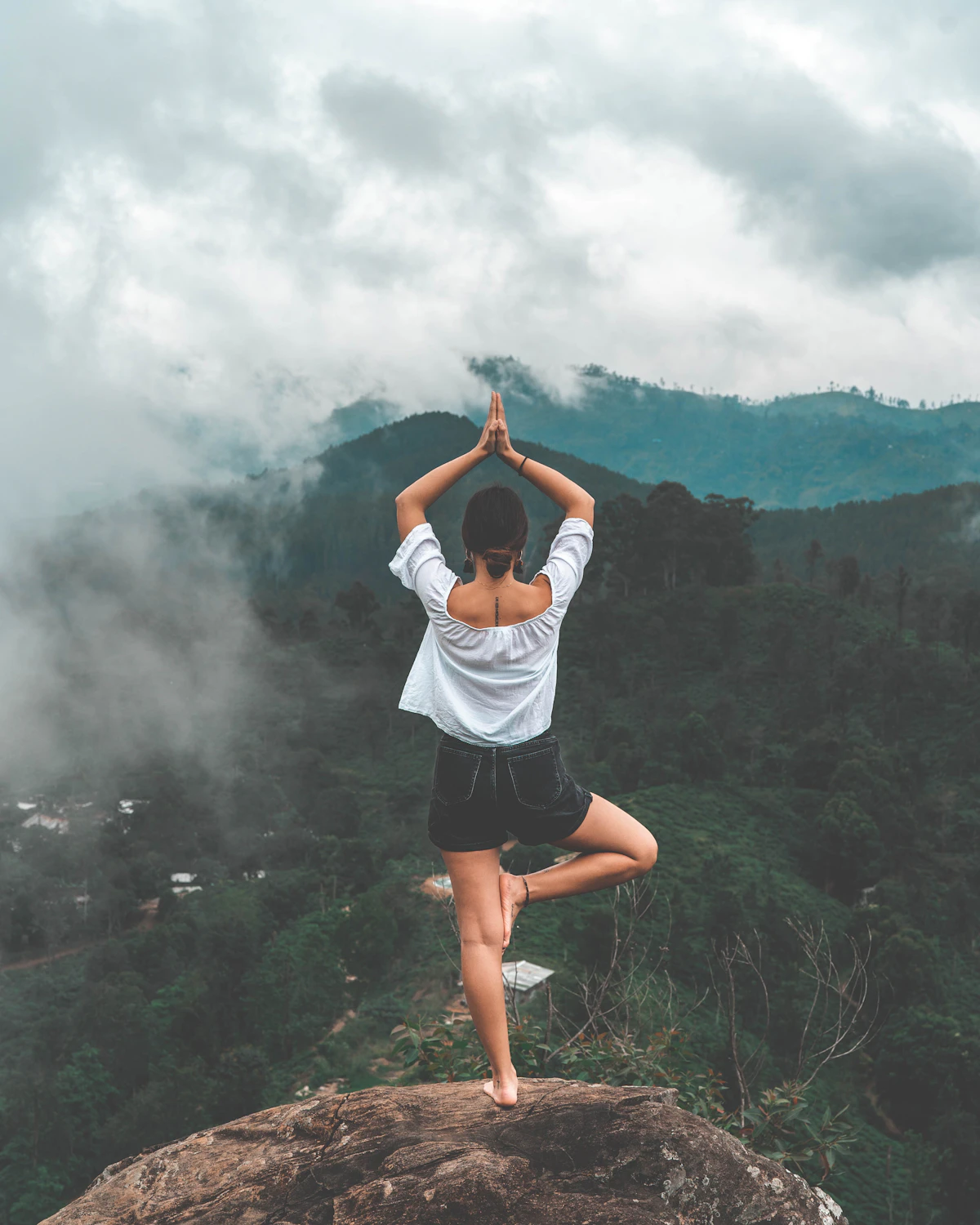
Meditation offers a wide range of mental, emotional, and wellness benefits. Regular practice can help improve focus, mindfulness, self-awareness, relaxation, and overall quality of life.
There are many meditation techniques practiced around the world. Each method offers a unique approach to mindfulness, awareness, concentration, relaxation, and overall well-being.
A popular practice that involves observing thoughts, emotions, and sensations without judgment while maintaining awareness of the present moment.
This technique uses the natural rhythm of breathing as the primary point of focus to improve concentration and mindfulness.
A meditation practice where individuals follow spoken instructions that help encourage relaxation, visualization, and mindfulness.
Also known as Metta Meditation, this practice focuses on developing compassion, kindness, gratitude, and positive intentions toward oneself and others.
A technique that involves repeating a word, phrase, or sound to maintain concentration and encourage a calm, focused state of mind.
A mindfulness practice that involves bringing attention to different parts of the body to encourage relaxation and greater self-awareness.
Meditation is a simple practice that helps develop mindfulness, awareness, focus, and relaxation. It can be practiced by people of all ages and experience levels and does not require any special equipment.
Beginners often start meditation by sitting quietly and focusing their attention on the breath, a sound, a word, or the present moment. The goal is not to stop thoughts completely but to observe them without judgment and gently return attention to the chosen point of focus.
A comfortable environment and a regular routine can help create a positive meditation experience. Even a few minutes of daily practice may help cultivate greater mindfulness and self-awareness over time.
Many people combine meditation with yoga, pranayama, and mindfulness exercises to create a balanced wellness routine. Short and consistent meditation sessions are often more effective than occasional long sessions.
With regular practice, meditation can become a valuable tool for developing focus, emotional balance, self-awareness, and inner peace. Consistency, patience, and a non-judgmental attitude are important parts of the meditation journey.
People practice meditation for many different reasons. Whether the goal is relaxation, focus, mindfulness, emotional balance, or personal growth, there are meditation techniques that can support individual needs and lifestyles.
Relaxation-focused meditation practices help calm the mind, reduce mental tension, and encourage a sense of peace and tranquility.
Concentration-based meditation techniques help improve attention, mental clarity, awareness, and the ability to stay present during daily activities.
Meditation encourages self-awareness, emotional balance, mindfulness, and a healthier relationship with thoughts and feelings.
Many people use meditation as part of a wellness routine to encourage relaxation, mindfulness, and a calmer response to everyday challenges.
Mindfulness meditation helps individuals develop greater awareness of the present moment and cultivate a more conscious approach to daily life.
Regular meditation practice can support self-reflection, personal development, inner awareness, and long-term well-being.
Meditation is generally considered a safe and accessible practice for people of different ages and experience levels. Following simple guidelines can help create a comfortable, positive, and sustainable meditation routine.
Meditation is not about forcing the mind to become completely silent. Instead, it involves observing thoughts, emotions, and sensations with awareness and patience. Beginners should approach meditation gradually and focus on consistency rather than perfection.
A comfortable environment and realistic expectations can make meditation more enjoyable. Short and regular sessions are often more effective than trying to meditate for long periods immediately.
Meditation should feel supportive, calming, and sustainable. By practicing mindfully and maintaining realistic expectations, individuals can develop a healthy meditation routine that contributes to long-term well-being, self-awareness, and inner balance.
Different meditation techniques can support different personal goals. Whether you want relaxation, mindfulness, focus, emotional balance, or personal growth, meditation offers practices that can fit a variety of lifestyles and wellness needs.
Relaxation-focused meditation practices help calm the mind, reduce mental tension, and encourage a sense of peace and tranquility.
Concentration-based meditation techniques help improve attention, mental clarity, awareness, and the ability to stay present during daily activities.
Many people use meditation to encourage relaxation, mindfulness, and a calmer response to everyday challenges and responsibilities.
Mindfulness meditation helps individuals develop greater awareness of thoughts, emotions, and experiences while staying connected to the present moment.
Regular meditation practice may support emotional balance, self-awareness, inner peace, and a healthier relationship with thoughts and feelings.
Meditation can support self-reflection, personal development, inner awareness, and long-term well-being through consistent practice.
Many people hesitate to start meditation because of common misconceptions. Understanding the facts can help individuals approach meditation with realistic expectations and greater confidence.
✅ Reality: Meditation is not about eliminating thoughts completely. It involves observing thoughts with awareness and gently returning attention to the present moment.
✅ Reality: Meditation is practiced by people from many different backgrounds for relaxation, mindfulness, focus, and overall well-being.
✅ Reality: Even a few minutes of regular meditation can be beneficial and help build a consistent mindfulness habit.
✅ Reality: Most meditation practices require only a comfortable place to sit and a willingness to focus attention.
✅ Reality: Meditation may support focus, mindfulness, self-awareness, emotional balance, personal growth, and overall well-being.
✅ Reality: The benefits of meditation typically develop gradually through regular and consistent practice over time.
Find answers to common questions about meditation, mindfulness, focus, relaxation, awareness, and meditation practices.
Meditation is a practice that helps develop mindfulness, awareness, concentration, relaxation, and inner peace through focused attention and observation.
Yes. Meditation is suitable for beginners and can be practiced by people of different ages, backgrounds, and experience levels.
Meditation may help improve focus, mindfulness, emotional balance, self-awareness, relaxation, and overall well-being.
Many people meditate daily. Even a few minutes of regular practice can help develop mindfulness and awareness over time.
Mindfulness meditation involves paying attention to thoughts, emotions, and experiences in the present moment without judgment.
Guided meditation involves following spoken instructions that help encourage relaxation, awareness, and concentration.
Mantra meditation involves repeating a word, phrase, or sound to maintain focus and encourage a calm mental state.
Many people use meditation as part of a wellness routine that supports relaxation, mindfulness, and stress management.
Regular meditation practice may help improve concentration, attention, awareness, and mental clarity.
No. Most meditation practices require only a comfortable place to sit and a willingness to focus attention.
Yes. Many people meditate at home using books, videos, mobile apps, online classes, or guided meditation recordings.
Meditation can be practiced at any time. Many people prefer morning or evening sessions when distractions are minimal.
Meditation sessions can range from a few minutes to longer periods depending on experience, goals, and personal preference.
Yes. Meditation is often practiced alongside yoga and pranayama as part of a holistic wellness routine.
Mind wandering is a normal part of meditation. Simply notice the distraction and gently return your attention to your chosen point of focus.
No. Meditation may also support mindfulness, concentration, self-awareness, emotional balance, and personal growth.
Yes. Meditation can be adapted for people of different ages and abilities and is commonly practiced throughout life.
Regular practice helps strengthen mindfulness skills and allows individuals to gradually experience the long-term benefits of meditation.
Many people include meditation as part of a healthy lifestyle that supports mindfulness, relaxation, self-awareness, and overall wellness.
You can explore meditation centers, yoga studios, instructors, and wellness communities through the Yoga Management directory.
Discover meditation techniques, mindfulness practices, guided meditation methods, relaxation exercises, and wellness resources designed to support focus, awareness, and overall well-being.
Find Yoga Centers Yoga vs MeditationLearn mindfulness techniques, improve focus, develop self-awareness, and build healthy habits that support long-term wellness, balance, and inner peace.
Explore Yoga Resources