Celebrate International Yoga Day and explore the history, significance, benefits of yoga, meditation techniques, Surya Namaskar, breathing practices, and wellness resources inspired by India's ancient yogic tradition.
International Yoga Day is celebrated every year on 21 June to raise awareness about the many benefits of yoga for physical health, mental well-being, and overall quality of life.
People across the world participate in yoga sessions, wellness events, meditation programs, and educational activities to promote a healthy and balanced lifestyle.
International Yoga Day brings together individuals, communities, schools, organizations, and governments to recognize the importance of yoga and holistic wellness.
Yoga is not just a physical practice. It is a system that integrates the body, mind, breath, and consciousness to promote overall well-being.
International Yoga Day is celebrated every year on 21 June to promote awareness about the benefits of yoga and encourage people around the world to adopt healthier lifestyles. The observance highlights yoga as a holistic practice that supports physical health, mental well-being, mindfulness, and overall wellness.
Yoga originated in ancient India thousands of years ago and has been practiced for generations as a way to harmonize the body, mind, and spirit. Over time, yoga gained worldwide recognition for its positive impact on health, personal development, and quality of life.
The idea of establishing an International Day of Yoga was proposed by Indian Prime Minister Narendra Modi during his address to the United Nations General Assembly in September 2014. The proposal received broad international support, reflecting the growing global appreciation for yoga and its benefits.
Later in 2014, the United Nations officially adopted a resolution recognizing the importance of yoga for health and well-being. Following this historic decision, 21 June was designated as the International Day of Yoga.
The date of 21 June was chosen because it coincides with the Summer Solstice, the longest day of the year in the Northern Hemisphere. In yogic traditions, this day is considered especially significant and symbolizes light, energy, vitality, and spiritual growth.
The first International Yoga Day was celebrated on 21 June 2015 with large-scale yoga events organized across India and many other countries. Since then, millions of people worldwide have participated in yoga sessions, wellness programs, meditation workshops, educational events, and community celebrations.
Today, International Yoga Day is observed in more than 180 countries and serves as a global reminder of the importance of healthy living, mindfulness, inner balance, and holistic wellness. It also highlights yoga as one of India's most valuable contributions to the world, inspiring people of all ages and backgrounds to embrace healthier and more mindful lifestyles.
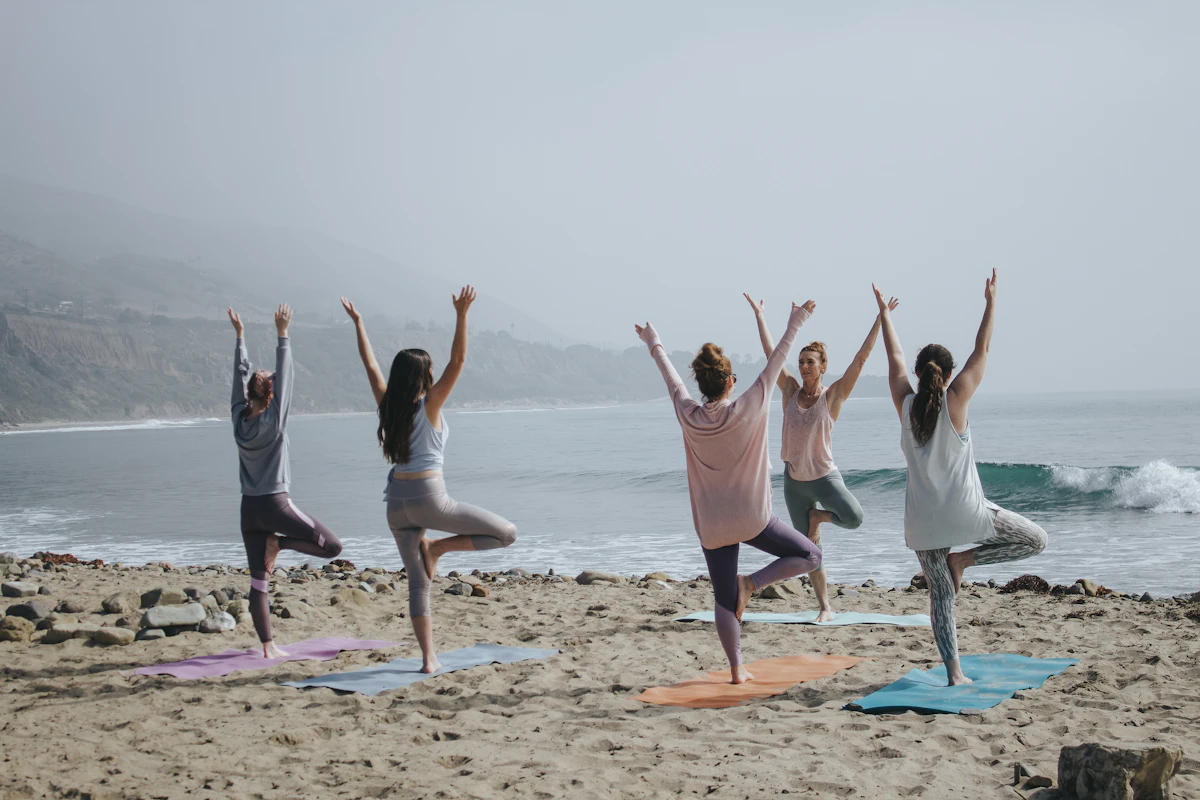
Yoga offers numerous physical, mental, and emotional benefits that contribute to a healthier and more balanced life.
There are many styles of yoga, each offering unique benefits and approaches to wellness.
Gentle yoga focused on basic postures and breathing techniques.
A dynamic style that links movement with breath.
A structured and physically demanding sequence of postures.
Slow-paced yoga that targets deep connective tissues.
Combines movement, breathwork, meditation, and chanting.
A fitness-oriented style focused on strength and endurance.
Surya Namaskar, commonly known as Sun Salutation, is one of the most widely practiced yoga sequences in the world. It is a traditional series of 12 yoga postures performed in a continuous flow while synchronizing movement with breath. In yogic traditions, Surya Namaskar is practiced as a way of expressing gratitude to the Sun, which is regarded as a source of life, energy, and vitality.
Surya Namaskar combines stretching, strengthening, balance, flexibility, and controlled breathing into a single practice. It engages multiple muscle groups throughout the body and is often considered a complete yoga workout. Regular practice may help improve physical fitness, mental focus, and overall well-being.
Each round of Surya Namaskar consists of 12 postures that work together to stretch and strengthen different parts of the body. The sequence encourages smooth breathing, improves circulation, and promotes greater awareness of movement and posture.
Many practitioners begin with a few rounds of Surya Namaskar and gradually increase the number based on their fitness level and experience. Practicing Surya Namaskar regularly can be a simple yet effective way to incorporate yoga into daily life.
As one of the most recognized yoga practices worldwide, Surya Namaskar is often featured during International Yoga Day celebrations and is appreciated for its ability to combine movement, breath awareness, mindfulness, and wellness into a single routine.
Pranayama is an important part of yoga that focuses on conscious breathing and breath control. The word "Pranayama" comes from Sanskrit, where "Prana" means life force or vital energy and "Ayama" means expansion or control. Through regular practice, pranayama may help improve respiratory health, increase mindfulness, reduce stress, and support overall well-being.
Alternate nostril breathing that promotes balance, relaxation, mental clarity, and emotional well-being.
Also known as Bee Breath, this calming practice uses humming vibrations to reduce stress and support focus.
An energizing breathing technique that emphasizes active exhalation and may help improve respiratory efficiency.
A slow and controlled breathing technique commonly used during yoga practice to improve concentration and awareness.
A breathing technique performed through the right nostril that is traditionally associated with energy and vitality.
A calming breathing practice performed through the left nostril that may help encourage relaxation and mental calmness.
A traditional yogic breathing practice that helps cleanse energy channels and improve breath awareness.
Also known as Three-Part Breathing, this technique promotes deep breathing and supports relaxation.
A cooling breathing technique that may help calm the body and create a sense of refreshment.
A cooling breath practice performed through the teeth that is traditionally used to encourage relaxation.
Equal breathing where inhalation and exhalation are balanced, promoting mindfulness and concentration.
Also known as Bellows Breath, this powerful breathing exercise is commonly practiced to increase energy and awareness.
Meditation is a practice that helps cultivate awareness, focus, mindfulness, and inner peace. For thousands of years, meditation has been an important part of yoga and wellness traditions, helping individuals develop greater self-awareness and a deeper connection with the present moment.
In today's fast-paced world, people are constantly surrounded by distractions, stress, and information overload. Meditation offers an opportunity to slow down, quiet the mind, and bring attention to the present moment. It does not require special equipment and can be practiced by people of all ages and experience levels.
Mindfulness is closely connected to meditation. It involves paying attention to thoughts, feelings, and surroundings without judgment. Through regular practice, mindfulness can help individuals become more aware of their habits, emotions, and reactions while encouraging a calmer and more balanced approach to daily life.
Many people include meditation as part of their daily wellness routine to support mental clarity, emotional well-being, and relaxation. Even a few minutes of meditation each day can help create a sense of calm and improve overall quality of life.
Meditation is not about stopping thoughts completely. Instead, it is about becoming aware of thoughts and learning to respond with greater clarity, patience, and mindfulness. With regular practice, meditation can become a valuable tool for maintaining balance, focus, and overall wellness.
Yoga can be adapted for people of all ages and fitness levels.
Yoga helps improve concentration, memory, discipline, and reduces exam-related stress.
Yoga can help manage stress, reduce back and neck pain, improve posture, and support work-life balance.
Yoga promotes mobility, flexibility, balance, mental wellness, and overall quality of life.
Many misconceptions prevent people from starting yoga. Here are some common myths and the reality behind them.
✅ Reality: Yoga is a complete mind-body practice that includes breathing, mindfulness, and meditation.
✅ Reality: Flexibility develops over time through regular practice.
✅ Reality: Yoga can be practiced by people of all ages.
Find answers to common questions about International Yoga Day, yoga practices, meditation, pranayama, wellness, and healthy living.
International Yoga Day is celebrated every year on 21 June to raise awareness about the benefits of yoga for physical health, mental well-being, and overall wellness.
21 June is the Summer Solstice, the longest day of the year in the Northern Hemisphere. It holds special significance in yogic traditions and was chosen as the official date for International Yoga Day.
The first International Yoga Day was celebrated on 21 June 2015 and has since become a global event observed in countries around the world.
The purpose of International Yoga Day is to promote awareness about yoga and encourage people to adopt healthier lifestyles through yoga, meditation, mindfulness, and wellness practices.
Yoga may help improve flexibility, strength, balance, posture, concentration, mindfulness, emotional well-being, and overall quality of life.
Yes. International Yoga Day is open to everyone, including beginners, students, working professionals, and senior citizens.
Surya Namaskar, also known as Sun Salutation, is a sequence of 12 yoga postures that provides a complete body workout and is commonly practiced during Yoga Day events.
Pranayama refers to breathing techniques used in yoga to improve breath awareness, concentration, relaxation, and overall well-being.
Popular breathing practices include Anulom Vilom, Kapalbhati, Bhramari, and Ujjayi. These techniques are commonly used to support relaxation and mindfulness.
Many people use yoga and meditation as part of their stress management routine. Mindful movement and breathing exercises may encourage relaxation and calmness.
Yes. Regular yoga practice can gradually improve flexibility, mobility, and range of motion throughout the body.
Yoga sessions can range from 10 minutes to over an hour depending on individual goals, experience, and schedule. Even short daily sessions can be beneficial.
Meditation is a mindfulness practice that involves focusing attention and awareness to support mental clarity, concentration, relaxation, and inner peace.
Yes. Many people practice yoga at home using online resources, guided videos, yoga apps, books, or written instructions designed for different skill levels.
Comfortable clothing that allows free movement is generally recommended. Breathable fabrics can help improve comfort during practice.
A yoga mat is often enough for most beginners. Additional props such as yoga blocks, straps, or cushions can be helpful but are not always necessary.
Yoga encourages mindfulness, physical activity, relaxation, self-awareness, and healthy habits that can contribute to overall wellness and quality of life.
You can celebrate by practicing yoga, joining community yoga sessions, learning meditation, performing Surya Namaskar, participating in wellness events, or exploring yoga resources and guides.
You can explore free yoga eBooks, meditation guides, wellness resources, healthy living PDFs, and educational materials on Yoga Management.
Regular practice helps develop healthy habits and allows individuals to gradually experience the physical, mental, and emotional benefits of yoga over time.
Download yoga eBooks, meditation guides, wellness resources, and educational materials to support your wellness journey.
Browse Free DownloadsDiscover yoga guides, wellness resources, and meditation techniques.
Explore Yoga Guides