Comparison Guide • Yoga vs Stretching • Flexibility & Beyond
Yoga vs Stretching
Is yoga just stretching with extra steps? Not quite. Here's a clear look at how yoga and simple stretching compare, and what each one offers.
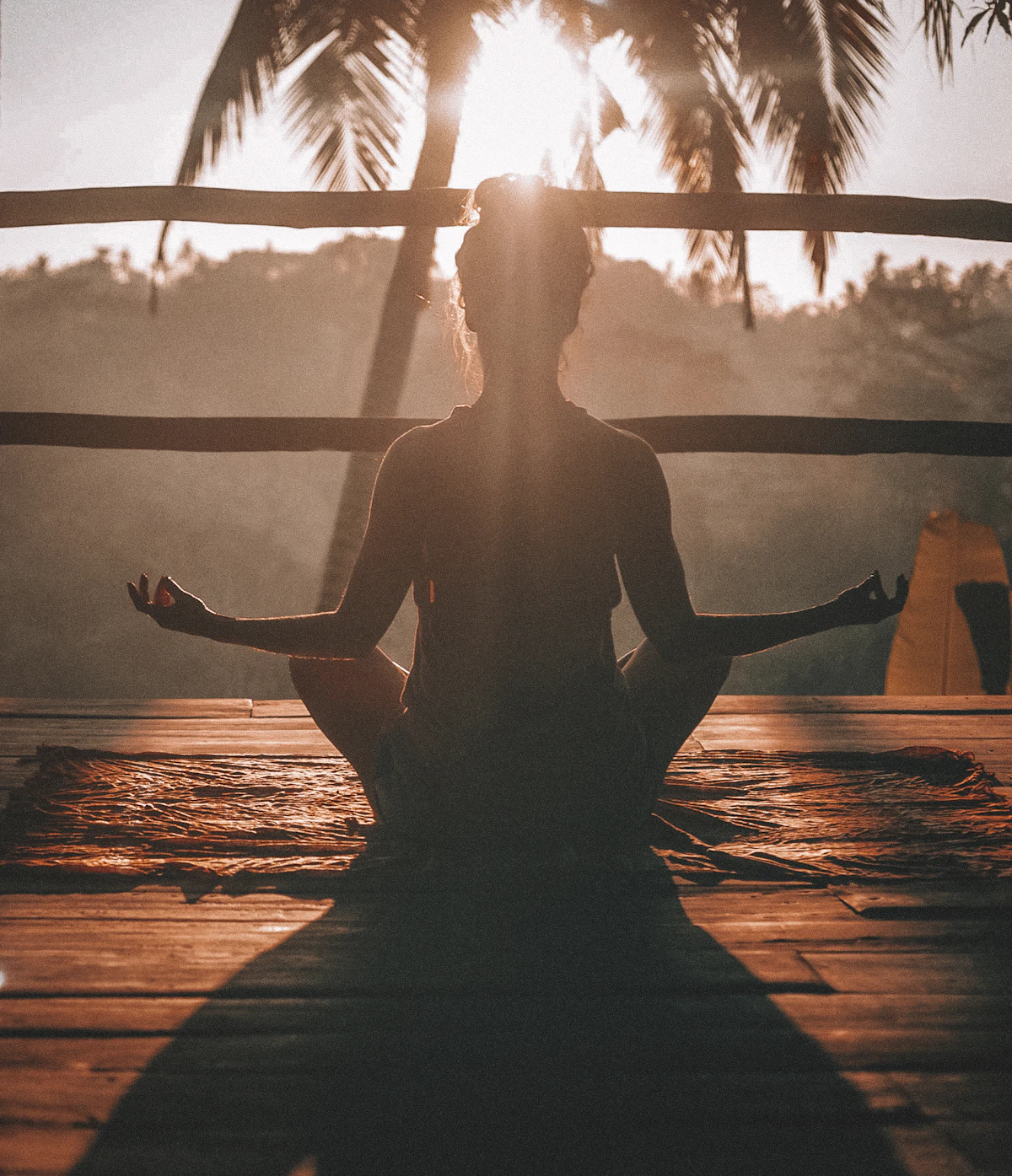
Is yoga just stretching with extra steps? Not quite. Here's a clear look at how yoga and simple stretching compare, and what each one offers.
Stretching and yoga are related, but yoga is a broader practice that includes stretching as just one part of a larger system involving breath, mindfulness, and structured postures.
A simple, targeted way to lengthen muscles and improve flexibility, often used as a standalone routine or warm-up.
A structured practice combining postures, breathing, and mindfulness, of which stretching is only one component.
Both improve flexibility and can support relaxation, making them easy to confuse from the outside.
Stretching typically refers to specific movements designed to lengthen muscles and improve range of motion, often practiced on their own or as part of a warm-up or cool-down.
Stretching routines are usually straightforward, focusing on holding or moving through positions that target specific muscle groups. They are commonly used before or after other forms of exercise to support flexibility and reduce muscle tightness.
Stretching is a simple, accessible way to support flexibility, but it typically doesn't include the broader mindfulness and breathing components found in yoga.
While yoga poses often involve stretching, yoga as a practice includes several additional layers that go beyond simple flexibility work.
Yoga combines physical postures with breath awareness, mindfulness, and often an underlying philosophy or intention. Even poses that resemble stretches are typically practiced with attention to breath, alignment, and present-moment awareness.
This is why many people describe yoga as "stretching plus" — it includes flexibility work, but wraps it within a more complete mind-body practice.
Both stretching and yoga offer valuable benefits, though yoga tends to offer a broader range due to its additional components.
Both stretching and yoga can effectively improve flexibility and range of motion over time.
Yoga's integration of breath and awareness offers mindfulness benefits that simple stretching typically doesn't include.
Many yoga poses build functional strength, while simple stretching generally does not target strength directly.
Stretching alone can be a quick, efficient way to address flexibility without a full practice session.
Yoga's mindful, breath-led approach is often associated with stronger stress-relief benefits than stretching alone.
Yoga typically follows structured sequences, while stretching can be more flexible and situational.
Your choice between stretching and yoga depends on how much time you have and what you're hoping to gain from your practice.
Simple stretching can be a great option when you need a quick way to loosen tight muscles or warm up before other activities. Yoga is a better fit when you're looking for a more complete practice that combines physical, mental, and breath-based benefits.
Many people use both — quick stretches throughout the day for immediate relief, and regular yoga sessions for a more complete practice.
Stretching and yoga aren't competing options — they can easily complement each other as part of an overall wellness routine.
Simple stretches throughout the day can complement a less frequent, more structured yoga practice.
Regular yoga sessions can build on the flexibility developed through consistent stretching and mindful movement.
Stretching around physical activities, combined with yoga on separate days, can create a varied and balanced movement routine.
Combining different forms of movement can provide regular opportunities to work on flexibility, mobility, and comfortable range of motion.
Yoga adds breathing, body awareness, and mindfulness elements that may complement a simple stretching routine.
Fitting in quick stretches on busy days and longer yoga sessions when time allows can create a realistic and sustainable approach.
A few common misconceptions exist when comparing yoga and stretching. Here's a clearer perspective.
✅ Reality: Yoga includes breathing, mindfulness, and structured sequences beyond simple stretching.
✅ Reality: Yoga offers additional mindfulness and strength benefits that simple stretching typically doesn't include.
✅ Reality: Yoga helps build flexibility over time and doesn't require it as a starting point.
✅ Reality: Quick stretches can still be useful for immediate relief between yoga sessions.
✅ Reality: Stretching can often be done in just a few minutes, while yoga sessions are typically longer and more structured.
✅ Reality: Yoga's combination of breath and mindfulness typically offers stronger stress-relief benefits.
Find answers to common questions comparing yoga and stretching.
No, yoga includes stretching but also incorporates breathing techniques, mindfulness, and structured sequences.
Stretching can effectively improve flexibility, though yoga often builds it within a broader, more complete practice.
Yoga's combination of breath awareness and mindfulness is generally associated with stronger stress-relief benefits than stretching alone.
Yoga sequences often include their own gentle warm-up movements, though additional stretching beforehand is optional and can be helpful.
Simple stretching can typically be done more quickly, while yoga sessions are usually more structured and longer.
Yes, some beginners find it helpful to build initial flexibility with basic stretching before starting yoga.
Yes, many yoga poses engage muscles actively, building functional strength beyond what simple stretching typically offers.
Stretching can support flexibility, though yoga offers a more complete practice combining physical, mental, and breath-based benefits.
Yes, many people use quick stretches throughout the day alongside regular yoga sessions.
Yes, dynamic stretching involves moving through ranges of motion, while yoga incorporates static and dynamic postures along with breath and mindfulness.
Light stretching or a short yoga warm-up sequence can both be effective ways to prepare the body before exercise.
Yoga often benefits from instructional guidance, especially for beginners, while basic stretching can be done with minimal instruction.
Yoga's inclusion of balance, mindfulness, and gentle strength work can offer additional benefits for older adults beyond stretching alone.
No, yoga is designed to build flexibility gradually and doesn't require flexibility as a prerequisite.
You can explore beginner-friendly poses and guides through Yoga Management.
Explore more comparison guides to understand how yoga stacks up against walking, Pilates, and gym workouts.
Yoga vs WalkingWhether you start with simple stretching or a full yoga practice, take the next step toward a more flexible, balanced lifestyle.
Explore Wellness Resources