Comparison Guide • Yoga vs Meditation • Mind & Body
Yoga vs Meditation
Yoga and meditation are closely related but not the same practice. Here's a clear look at how they differ, how they connect, and how to choose between them.
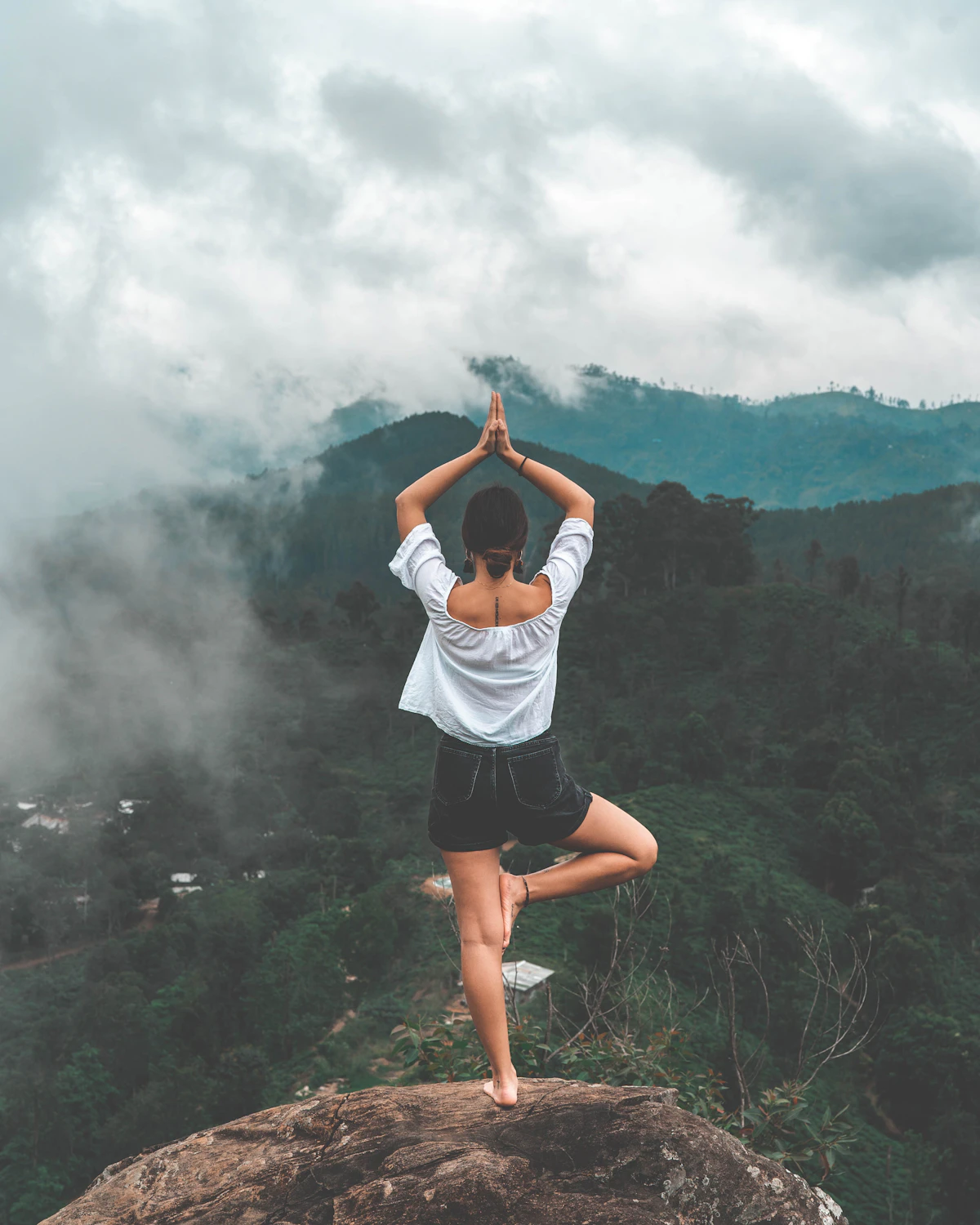
Yoga and meditation are closely related but not the same practice. Here's a clear look at how they differ, how they connect, and how to choose between them.
Yoga and meditation are often practiced together, and meditation is even considered a traditional part of yoga philosophy. Still, they are distinct practices with different primary focuses.
A physical and mindful practice combining postures, breathing, and awareness, with meditation as one traditional component.
A focused mental practice involving stillness, awareness, and concentration, often practiced while seated.
Meditation is traditionally considered a part of yoga philosophy, even though it can also be practiced entirely on its own.
While closely related, yoga and meditation involve different primary activities and areas of focus.
Yoga typically involves physical movement through a sequence of postures, combined with breath awareness. Meditation, by contrast, generally involves remaining still, often seated, while focusing the mind through techniques like breath awareness, visualization, or mantra repetition.
Despite these differences, both practices share a common goal of cultivating greater awareness, whether through the body, the breath, or the mind.
In traditional yoga philosophy, meditation is considered one of several interconnected components, alongside physical postures and breathing practices.
Many yoga traditions view physical postures as preparation for meditation, helping to release physical tension and restlessness so that stillness and focus come more naturally afterward. This is why many yoga classes end with a period of quiet reflection or meditation.
Because of this close relationship, many practitioners naturally move between the two, using yoga to prepare the body and meditation to settle the mind.
Both yoga and meditation offer valuable benefits, with some overlap and some distinct advantages.
Yoga offers physical benefits like flexibility, strength, and balance that seated meditation does not directly provide.
Meditation is specifically designed to build sustained mental focus and awareness.
Both practices are associated with meaningful stress-relief benefits, through different mechanisms.
Meditation's stillness can offer a deep sense of calm, while yoga combines movement with relaxation.
Meditation can often be practiced in shorter sessions, while yoga sessions are typically longer due to physical sequences.
Meditation requires no physical movement or equipment, making it accessible even in very limited spaces.
Your choice depends on whether you're seeking physical movement, mental stillness, or a combination of both.
You want a practice that combines physical movement with mindfulness, breath awareness, flexibility, and body awareness.
You're primarily seeking mental stillness, focus, present-moment awareness, and a practice that requires little or no physical movement.
You want to combine the physical practice of yoga with dedicated meditation for a more balanced mind-body routine.
Meditation can be practiced in shorter sessions when time is limited, while yoga may benefit from a longer, dedicated practice period.
Think about whether your priority is movement, flexibility, relaxation, mindfulness, concentration, or a combination of these goals.
Choose the practice that feels comfortable, enjoyable, and realistic for your routine so you can maintain it consistently.
Beginners don't need to choose one practice over the other — yoga and meditation can be introduced together or separately, depending on comfort level.
Many beginner yoga classes naturally introduce meditation as part of the overall session, making it easy to experience both practices together without needing separate instruction.
There's no wrong starting point. Many practitioners naturally gravitate toward one practice first and incorporate the other over time as their comfort grows.
A few misconceptions are common when comparing yoga and meditation. Here's a clearer perspective.
✅ Reality: While closely related, yoga involves physical movement while meditation is primarily a mental practice.
✅ Reality: Meditation can be practiced entirely on its own, without any physical yoga postures.
✅ Reality: Many yoga traditions consider mindful movement a form of active or moving meditation.
✅ Reality: Even short, simple meditation sessions can offer noticeable benefits for beginners.
✅ Reality: Many practitioners combine both as complementary parts of a single practice.
✅ Reality: Meditation often focuses on gently returning attention to a point of focus, rather than forcing an empty mind.
Find answers to common questions comparing yoga and meditation.
Yoga is often considered a form of active or moving meditation, particularly when practiced with focused breath and awareness.
No, meditation is often included in yoga classes but is not strictly required to practice physical yoga postures.
Yes, meditation is a standalone practice that can be done without any physical yoga postures.
Both are associated with meaningful stress-relief benefits, through different but complementary mechanisms.
Some beginners find stillness more challenging than movement at first, though both practices become more comfortable with regular practice.
Many beginners start with just a few minutes of meditation and gradually increase the duration as it becomes more comfortable.
Many yoga classes include a closing meditation or relaxation period, though this can vary by style and instructor.
Yes, regular meditation can help build the focus and stillness that support a more mindful yoga practice.
No, meditation can be practiced in various comfortable positions, including sitting in a chair or lying down.
Both are approachable for beginners; the better starting point depends on whether you prefer physical movement or mental stillness.
Yes, many practitioners find that physical yoga practice helps release restlessness, making seated meditation feel more accessible afterward.
No, yoga offers physical benefits like flexibility and strength that meditation alone does not directly provide.
Yes, many practitioners combine both, often using yoga to prepare the body before a period of meditation.
Yes, meditation requires no equipment or space for movement, making it possible to practice in almost any setting.
You can explore dedicated meditation and mindfulness guides through Yoga Management.
Explore more comparison guides to understand how yoga stacks up against gym workouts, Pilates, and walking.
Is Yoga Better Than Gym?Whether you're drawn to mindful movement, quiet stillness, or both, start building a practice that supports your well-being.
Explore Wellness Resources